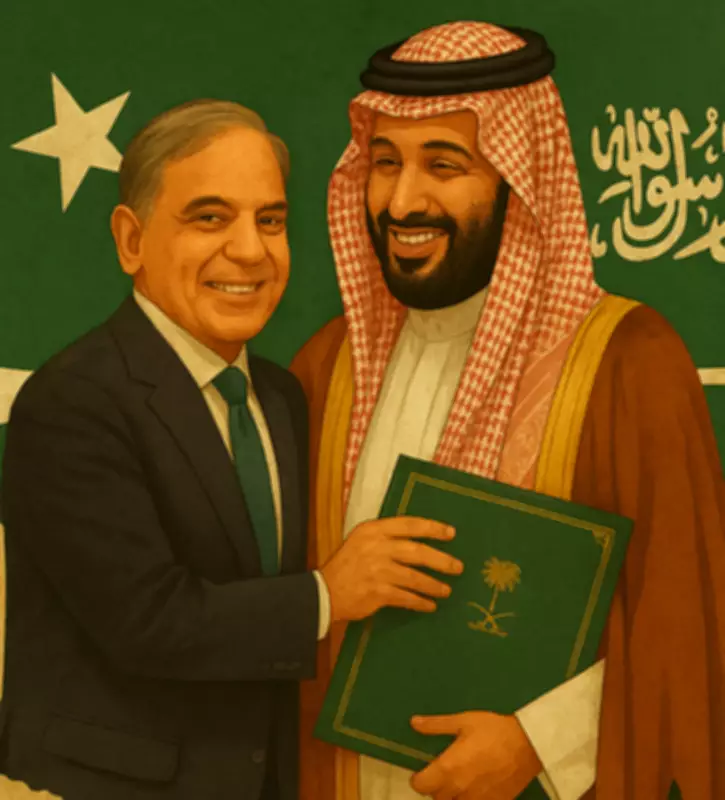
Pakistan and Saudi Arabia's 'You Are Attacked, We Are Attacked' Defense Pact: A Deep Dive
The longstanding defense agreement between Pakistan and Saudi Arabia, often summarized by the phrase "you are attacked, we are attacked," represents a cornerstone of their bilateral relations. This pact, rooted in historical ties and strategic interests, commits both nations to mutual defense, implying that an assault on one is considered an assault on the other. As global and regional dynamics shift, understanding this pact's implications becomes increasingly crucial.
Historical Context and Origins of the Pact
The defense pact between Pakistan and Saudi Arabia dates back to the 1960s and 1970s, forged during periods of regional instability and Cold War tensions. It was formalized through various agreements and understandings, emphasizing military cooperation, training, and intelligence sharing. Pakistan, with its large and experienced military, has often provided security assistance to Saudi Arabia, including troop deployments during times of crisis, such as the Gulf War in the early 1990s. In return, Saudi Arabia has offered financial support and oil concessions, bolstering Pakistan's economy and energy security.
Current Geopolitical Landscape and Challenges
In today's complex geopolitical environment, the pact faces new challenges and opportunities. Key factors include:

- Regional Conflicts: Ongoing tensions in the Middle East, such as the Yemeni civil war and Iran-Saudi rivalry, test the pact's applicability. Pakistan has walked a fine line, avoiding direct military involvement in Yemen while maintaining its commitment to Saudi security.
- Economic Pressures: Saudi Arabia's economic diversification efforts and Pakistan's financial crises have altered the dynamics of their relationship, with both nations seeking to balance defense commitments with domestic priorities.
- Global Alliances: Shifting alliances, including Saudi Arabia's warming ties with Israel and Pakistan's relations with China and the United States, add layers of complexity to the pact's enforcement.
Future Implications and Strategic Considerations
Looking ahead, the "you are attacked, we are attacked" pact will likely evolve in response to emerging threats and opportunities. Potential scenarios include:
- Enhanced Military Cooperation: Both nations may deepen joint exercises, defense technology transfers, and counterterrorism efforts to address shared security concerns, such as terrorism and cyber threats.
- Diplomatic Balancing Acts: Pakistan and Saudi Arabia might need to navigate diplomatic tensions, ensuring the pact does not conflict with their other international obligations or regional peace initiatives.
- Economic Integration: Beyond defense, the relationship could expand into economic partnerships, such as investments in infrastructure and energy projects, reinforcing mutual interests.
In summary, the Pakistan-Saudi Arabia defense pact remains a vital element of their strategic partnership, but its future will depend on adaptive policies and careful management of regional and global pressures.