Pakistan Rejects Israel Normalization Amid Trump Peace Board Entry, Sparks Strategic Confusion
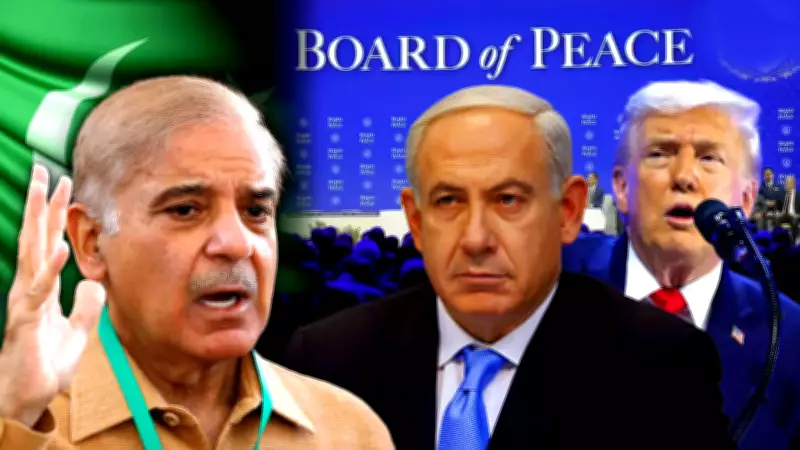
Islamabad's decision to participate in former US President Donald Trump's proposed "Board of Peace" has ignited intense scrutiny and sharp questions about Pakistan's evolving regional posture, particularly regarding its stance on Israel. The move has created significant strategic confusion within diplomatic circles, as Pakistan attempts to navigate complex international dynamics while maintaining its traditional positions.
Foreign Office Swiftly Shuts Down Speculation
The Pakistani Foreign Office has moved quickly to shut down mounting speculation, firmly rejecting any connection between the Board of Peace participation and the Abraham Accords or normalization with Israel. Officials have emphasized that Pakistan's long-standing position on Palestine remains completely unchanged and unwavering. This immediate clarification reflects the sensitivity of the issue within Pakistan's domestic political landscape.
Timing Reveals Broader Strategic Calculations
Yet the timing of this development is particularly telling. As Pakistan seeks closer engagement with Washington and attempts to strengthen its relationship with the United States, it has simultaneously adopted a noticeably tougher tone on several regional issues. This includes recent accusations against Afghanistan for exporting terrorism and repeated complaints against India regarding diplomatic treatment.

Indian intelligence assessments suggest Pakistan is attempting a delicate balancing act - edging closer to Western initiatives and opportunities while carefully managing domestic religious sensitivities and ideological pressures. This pattern reveals a state struggling to reconcile competing priorities in an increasingly complex geopolitical environment.
Analysts Point to Strategic Anxiety
Regional analysts and diplomatic observers argue that Pakistan's strong denials reveal more anxiety than assurance about its strategic positioning. The swift rejection of any Israel connection, they suggest, reinforces Pakistan's reputation for strategic deflection when facing global scrutiny. This episode highlights the ongoing tension between ideological commitments at home and economic and diplomatic realities abroad.
The strategic confusion sparked by Pakistan's Board of Peace participation underscores the broader challenges facing Islamabad as it navigates shifting global alliances, regional tensions, and domestic political constraints. As Pakistan continues to position itself in international forums, observers will be watching closely to see how it manages these competing pressures while pursuing its national interests on the world stage.