

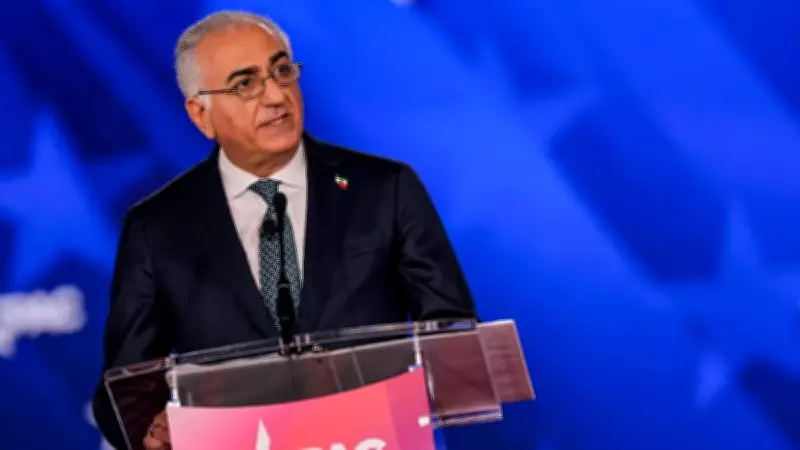
Exiled Iranian Royal Warns Against US-Iran Negotiations Under Current Leadership
In a stark warning to former US President Donald Trump, Reza Pahlavi, the son of Iran's last monarch, has publicly advised against striking any deals with the nation's present rulers. Pahlavi, a prominent figure in the Iranian opposition, emphasized that such negotiations would not resolve the underlying threats but merely delay them, potentially endangering American interests in the future.
Pahlavi's Caution on Postponing Peril
According to a Reuters report dated March 29, 2026, Pahlavi articulated his concerns clearly, stating that engaging in peace talks with Iran's current leadership is a short-sighted approach. He argued that this strategy only pushes the imminent danger to the United States further down the road, rather than addressing the root causes of regional instability. His comments come amid ongoing diplomatic tensions in West Asia, where Iran's influence remains a pivotal issue for global powers.
The exiled royal's message underscores a broader debate in international relations regarding how to handle regimes perceived as adversarial. Pahlavi, who advocates for democratic change in Iran, believes that legitimizing the current government through negotiations could undermine efforts for internal reform and prolong security risks. His perspective highlights the complexities of US foreign policy in the Middle East, where balancing immediate diplomatic gains with long-term strategic interests is often challenging.

Implications for US Policy and Regional Dynamics
This warning adds to the discourse on how the United States should navigate its relationship with Iran, a nation at the heart of many geopolitical conflicts. Pahlavi's stance suggests that alternative approaches, such as supporting opposition groups or imposing stricter conditions, might be necessary to ensure lasting safety for Americans and stability in the region. His insights reflect a deep understanding of Iranian politics and the potential consequences of foreign engagement.
As global attention remains focused on Middle Eastern affairs, Pahlavi's advice to Trump could influence future policy decisions, especially if Trump returns to a position of power. The discussion around Iran's leadership and its impact on US security continues to evolve, with experts weighing the merits of dialogue versus confrontation. Ultimately, Pahlavi's warning serves as a reminder that in international diplomacy, short-term solutions may come at the cost of long-term security, urging a more cautious and strategic approach to dealing with Tehran's current regime.






