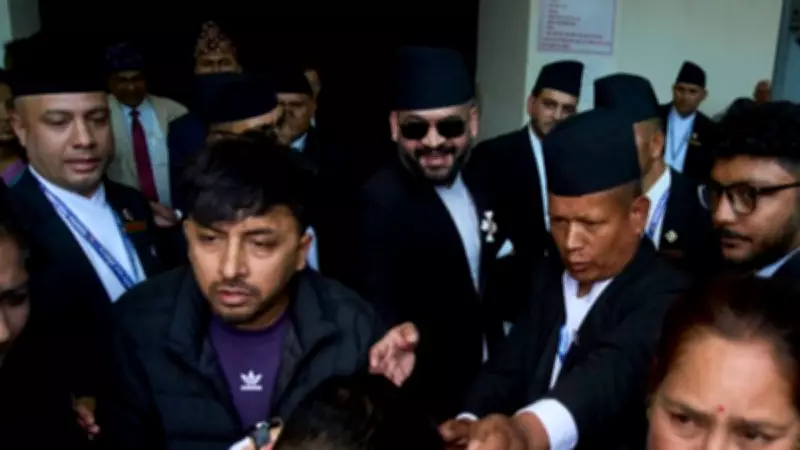
Nepal's Youthful Leadership Reshapes Governance in 2026
In a significant political transformation, Nepal's parliament and cabinet in 2026 are increasingly dominated by young leaders, heralding a new era of governance in the Himalayan nation. This shift, often referred to as "Youngistan in power," is redefining traditional political structures and injecting fresh perspectives into policy-making. The trend reflects a broader generational change across South Asia, where younger demographics are demanding more responsive and innovative leadership.
A New Wave of Political Representation
The composition of Nepal's parliament and cabinet has seen a notable influx of younger members, many in their 30s and 40s, who bring diverse backgrounds from technology, activism, and entrepreneurship. This contrasts sharply with previous administrations, which were often led by older, more established political figures. The young parliamentarians are leveraging their digital savvy and global outlook to address pressing issues such as economic development, climate change, and social equity.
Key initiatives spearheaded by this youthful leadership include:

- Digital Governance: Implementing e-governance platforms to enhance transparency and citizen engagement.
- Progressive Policies: Focusing on youth employment, education reform, and sustainable development goals.
- International Collaboration: Strengthening ties with neighboring countries and global partners to boost trade and investment.
Impact on Governance and Public Perception
The rise of young leaders in Nepal's government is not merely a demographic shift but a substantive change in governance style. These officials are known for their agile decision-making, use of social media for public communication, and emphasis on data-driven policies. This approach has resonated with the country's youth population, who make up a significant portion of the electorate, fostering greater political participation and trust in institutions.
However, challenges remain, as some critics argue that experience and institutional knowledge are being undervalued. Despite this, the overall impact has been positive, with early indicators showing improvements in government efficiency and public satisfaction. The cabinet, in particular, has been praised for its collaborative and inclusive approach, often involving stakeholders from various sectors in policy discussions.
Broader Implications for South Asia
Nepal's experience with a young parliament and cabinet is being closely watched across South Asia, where many countries face similar demographic trends. This model of governance could inspire political reforms in other nations, promoting greater youth involvement in leadership roles. It also highlights the potential for younger generations to drive innovation in public administration, especially in areas like technology integration and environmental sustainability.
As Nepal continues on this path, the long-term effects on its political stability and economic growth will be critical to monitor. The success of this youthful governance experiment could set a precedent for future elections and policy directions, not only in Nepal but throughout the region.