Nepal's Political Landscape Transformed by Balen Shah's Unprecedented Ascent
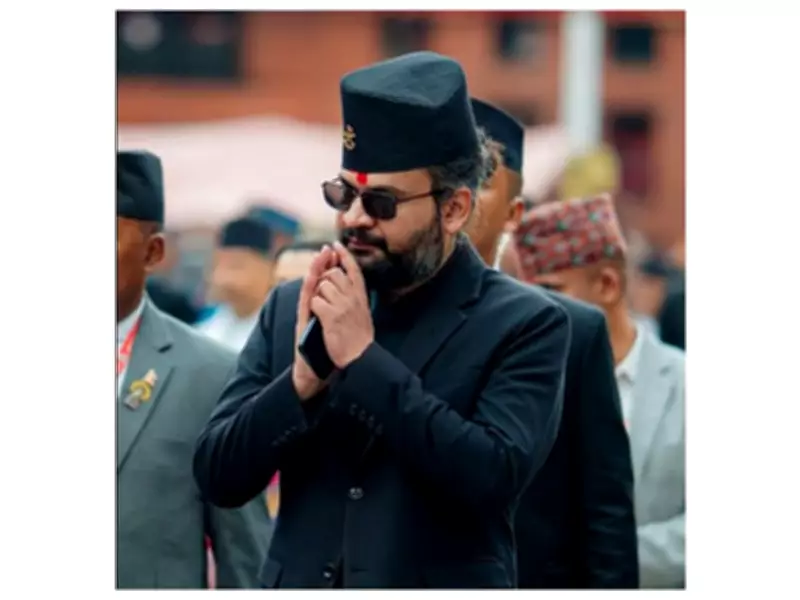
In a stunning development that has reshaped Nepal's political dynamics, Balen Shah, once known primarily as a rapper and civil engineer, has catapulted from the fringes of public life to the very doorstep of the prime minister's office. His meteoric rise represents a seismic shift in the Himalayan nation's traditionally party-dominated politics, signaling a growing public appetite for independent, anti-establishment figures.
From Rap Battles to Political Battlegrounds
Balen Shah first gained national attention through his participation in rap battles and his work as a civil engineer, but it was his foray into politics that truly captured the public imagination. Running as an independent candidate, he achieved a remarkable victory in the Kathmandu mayoral election, defeating established candidates from major political parties. This triumph was not merely a local upset; it served as a powerful indictment of Nepal's conventional political machinery, which has long been criticized for corruption and inefficiency.
Shah's campaign resonated deeply with younger voters and urban residents, who were disillusioned with the status quo. His background as a non-political figure, combined with his straightforward communication style, allowed him to connect with constituencies that felt alienated by traditional party rhetoric. This connection has proven to be a formidable asset as he navigates the complex terrain of national politics.

Challenging the Political Establishment
The rapid ascent of Balen Shah has sent shockwaves through Nepal's established political parties, including the Nepali Congress and the CPN-UML. These groups, which have dominated the country's governance for decades, now face an unprecedented challenge from an outsider who has effectively capitalized on public frustration. Shah's ability to mobilize support without the backing of a major party infrastructure underscores a significant transformation in voter behavior and political engagement.
Analysts note that his rise reflects broader trends in South Asian politics, where anti-incumbency sentiments and demands for transparency are increasingly driving electoral outcomes. In Nepal, this has manifested in a growing preference for candidates who present themselves as alternatives to the entrenched political class. Shah's journey from the rap battle stage to serious political contention exemplifies this shift, highlighting how non-traditional pathways to power are becoming more viable.
Positioning for National Leadership
Currently, Balen Shah is strategically positioning himself as a potential prime ministerial candidate, leveraging his popularity and the widespread desire for change. His focus on issues such as urban development, governance reform, and anti-corruption measures has garnered substantial support, particularly in urban centers like Kathmandu. While he has not yet formally declared a bid for the prime minister's office, his influence and public profile make him a key player in any discussions about Nepal's future leadership.
The implications of Shah's rise extend beyond individual ambition; they signal a potential reconfiguration of Nepal's political alliances and priorities. As traditional parties grapple with this new reality, the country may be on the cusp of a more fragmented yet dynamic political era, where independent voices hold greater sway. Observers are closely watching how Shah navigates this landscape, balancing his anti-establishment credentials with the pragmatic demands of governance.
Future Prospects and Challenges
Looking ahead, Balen Shah faces both opportunities and obstacles. His lack of a formal party apparatus could limit his ability to enact broad-based policies, but it also insulates him from the factionalism that often plagues established parties. To sustain his momentum, he will need to translate his popular appeal into tangible administrative successes, particularly in Kathmandu, where his performance as mayor will be scrutinized as a benchmark for his national potential.

- Public Expectations: Voters who supported Shah are demanding rapid improvements in infrastructure and transparency, placing pressure on him to deliver results quickly.
- Political Resistance: Established parties are likely to mount concerted efforts to undermine his influence, testing his resilience and strategic acumen.
- Coalition Building: If Shah aspires to higher office, he may need to forge alliances with other political actors, a move that could challenge his outsider image.
In conclusion, Balen Shah's journey from rapper to political contender is more than a personal success story; it is a reflection of Nepal's evolving democratic ethos. As the country grapples with issues of governance and representation, his rise offers a compelling narrative of change and possibility, reshaping the political landscape in ways that will likely influence Nepal's trajectory for years to come.