Nepal's Communist Party Condemns Arrest of Former PM KP Sharma Oli as Political Vendetta
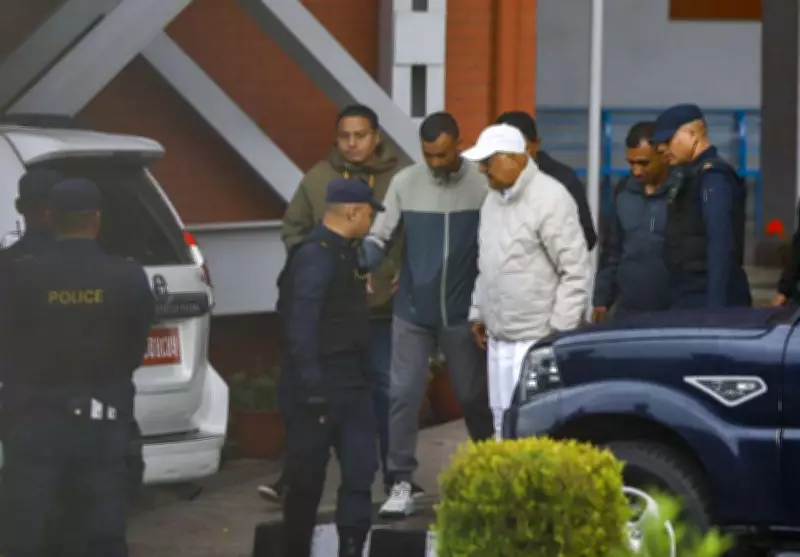
The political landscape in Nepal has been thrown into turmoil following the arrest of former Prime Minister KP Sharma Oli, with his party, the Communist Party of Nepal (Unified Marxist–Leninist), issuing a strong condemnation. The party has labeled the detention as baseless and a clear act of political revenge, asserting that there are no legitimate legal grounds for the arrest.
Party's Official Statement and Allegations
In an official statement released on March 28, 2026, the Communist Party of Nepal (CPN-UML) vehemently protested the arrest of its senior leader, KP Sharma Oli. The party emphasized that the move is politically motivated, aimed at settling scores rather than upholding justice. They argued that the arrest lacks any substantive evidence or legal basis, describing it as an attempt to undermine democratic processes and silence opposition voices in the country.
The party's reaction highlights growing tensions within Nepal's political sphere, where allegations of vendetta politics have surfaced repeatedly. According to party spokespersons, the arrest is part of a broader strategy by rival factions to destabilize the CPN-UML and tarnish Oli's reputation ahead of upcoming political maneuvers.

Background and Political Context
KP Sharma Oli, a prominent figure in Nepalese politics, served as the Prime Minister of Nepal from 2015 to 2016 and again from 2018 to 2021. His tenure was marked by significant political shifts and controversies, including strained relations with neighboring India and internal party conflicts. The arrest comes at a critical juncture, with Nepal navigating complex geopolitical dynamics and domestic challenges.
The timing of the arrest has raised eyebrows among political analysts, who suggest it could be linked to ongoing power struggles within the ruling coalition or external pressures. The Communist Party has pointed to historical instances where political opponents have been targeted under dubious charges, drawing parallels to Oli's current situation.
Implications for Nepal's Democracy
The arrest of a high-profile leader like KP Sharma Oli has sparked concerns about the state of democracy and rule of law in Nepal. Key implications include:
- Erosion of Political Trust: The incident may deepen mistrust among political parties, potentially leading to increased polarization and instability.
- International Scrutiny: Nepal's handling of the case could attract attention from global observers, impacting its diplomatic relations and international standing.
- Impact on Governance: With a key opposition figure detained, legislative processes and policy-making might face disruptions, affecting national development agendas.
The Communist Party has called for immediate release of KP Sharma Oli and a transparent investigation into the motives behind his arrest. They have urged supporters and the public to remain vigilant against what they term as "authoritarian tendencies" in the political establishment.
Future Outlook and Reactions
As the situation unfolds, reactions from other political entities and civil society groups are anticipated. The arrest could trigger protests or legal battles, further complicating Nepal's political environment. The Communist Party's stance sets the stage for a potential confrontation, with party leaders vowing to challenge the arrest through all available democratic means.
In summary, the arrest of KP Sharma Oli has ignited a fierce response from Nepal's Communist Party, framing it as an unjust act of political revenge. This development underscores the fragile nature of Nepal's democracy and the ongoing struggles for power within its political corridors. The coming days will be crucial in determining whether this incident escalates into a broader crisis or is resolved through dialogue and legal recourse.