

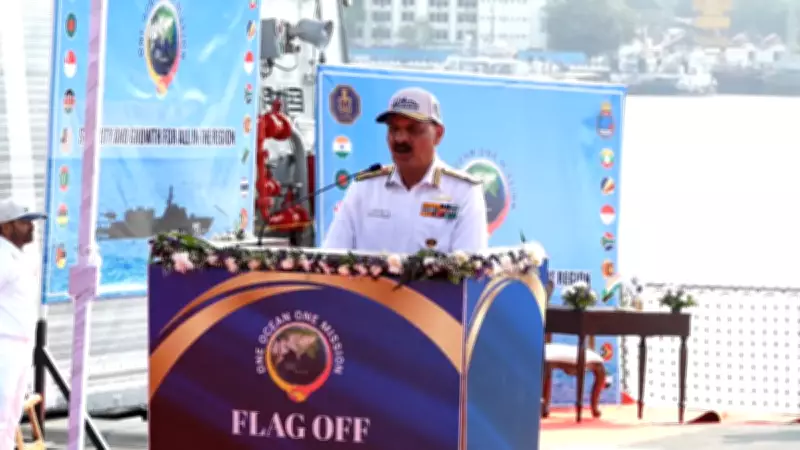
Indian Navy Chief Highlights Severe Economic and Energy Fallout from Hormuz Disruptions
In a significant address, Indian Navy Chief Admiral R. Hari Kumar has underscored the profound economic repercussions and heightened energy instability stemming from recent disruptions in the Strait of Hormuz. This critical maritime chokepoint, through which a substantial portion of global oil shipments passes, has faced escalating tensions, prompting grave concerns from Indian defense authorities.
Economic Ramifications and Regional Instability
Admiral Kumar emphasized that the disruptions have inflicted a huge economic impact, not only on India but across the broader region. The Strait of Hormuz serves as a vital artery for energy exports, particularly from Middle Eastern nations, and any interference severely disrupts global supply chains. This instability directly affects fuel prices and economic stability, posing risks to both importing and exporting countries.
Furthermore, the Navy Chief pointed out that these disturbances contribute to energy instability in the region, exacerbating geopolitical tensions and threatening maritime security. The Indian Navy has been closely monitoring the situation, given India's heavy reliance on energy imports through this route, which is crucial for sustaining its growing economy.

Strategic Maritime Concerns and Indian Response
The Indian Navy has ramped up its surveillance and patrol efforts in the Arabian Sea and adjacent waters to safeguard national interests. Admiral Kumar reiterated the Navy's commitment to ensuring safe passage for commercial vessels and maintaining regional stability. He highlighted that such disruptions could lead to broader security challenges, including piracy and unauthorized maritime activities.
In response to these threats, the Indian Navy is enhancing its operational readiness and collaborating with international partners to address shared security concerns. This proactive stance aims to mitigate the adverse effects of Hormuz disruptions and uphold the principles of freedom of navigation.
Broader Implications for Global Trade
The Strait of Hormuz is a linchpin in global energy trade, with approximately one-fifth of the world's oil consumption transiting through it. Disruptions here have a cascading effect on international markets, leading to volatility and economic strain. Admiral Kumar's warnings align with broader global apprehensions about the fragility of this strategic passage.
As tensions persist, the Indian Navy's vigilance serves as a critical component in deterring potential threats and ensuring that economic and energy flows remain uninterrupted. This situation underscores the interconnected nature of maritime security and global economic health.






