

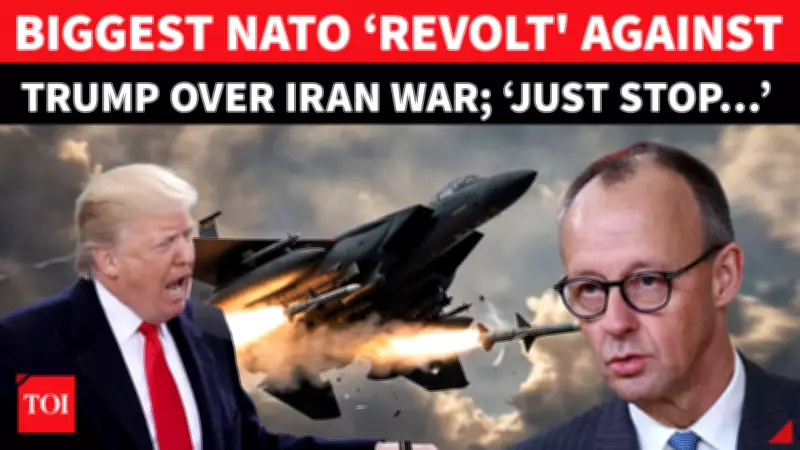
German Chancellor Merz Delivers Blunt Message to Trump on Iran Conflict
In a significant diplomatic intervention, German Chancellor Friedrich Merz has issued a stark warning to former US President Donald Trump, emphasizing that the only viable solution to stabilize soaring global energy costs is to end the ongoing conflict in Iran. Speaking at a press conference in Berlin, Merz highlighted the urgent need for de-escalation in the Middle East, as disruptions in critical oil routes threaten economic stability worldwide.
Merz Calls for Diplomatic Resolution Amid Escalating Tensions
Chancellor Merz stated that governments, including Germany and its European allies, cannot indefinitely shield their citizens from volatile spikes in energy prices. He stressed that diplomatic efforts must be prioritized to resolve the Iran crisis, which has been exacerbated by recent hostilities in the Strait of Hormuz—a vital chokepoint for global oil shipments. Merz urged both the United States and Israel to engage in dialogue and reduce military posturing, warning that further escalation could lead to uncontrollable consequences for international markets.
"The real fix lies in peace, not in temporary measures," Merz asserted, underscoring the economic imperative of ending the war. His comments come as European nations push for a negotiated settlement, fearing that prolonged conflict will destabilize energy supplies and inflate costs for consumers and industries alike.
Trump's Ultimatums and Tehran's Denials Fuel Crisis
Meanwhile, Donald Trump has intensified the situation by issuing ultimatums to Iran regarding the reopening of the Strait of Hormuz, which has seen increased military activity and blockades. Trump claims that backchannel talks are underway to address the standoff, but Iranian officials have firmly denied any such negotiations, labeling his assertions as misleading propaganda.
The Strait of Hormuz, through which approximately one-fifth of the world's oil passes, has become a flashpoint in the conflict, with reports of drone strikes, missile attacks, and naval skirmishes disrupting trade flows. Analysts warn that any prolonged closure or conflict in this region could trigger a global energy crisis, pushing oil prices to unprecedented levels and straining economies already grappling with inflation.
Global Repercussions and the Path Forward
The escalating tensions have drawn international concern, with Merz's message reflecting a broader consensus among European leaders that military solutions are untenable. The conflict has already seen incidents such as alleged Iranian drone strikes on US bases and attacks on Israeli cities, raising fears of a wider regional war. Merz's call for diplomacy aligns with efforts by the United Nations and other global bodies to mediate and prevent further bloodshed and economic disruption.
As the world watches, the stakes could not be higher: stabilizing oil prices hinges on de-escalating the Iran conflict, and Merz's blunt advice to Trump underscores the critical need for leadership and cooperation in averting a full-blown crisis.






