

India's Ministry of External Affairs (MEA) has issued a sharp and unequivocal dismissal of a reference to Prime Minister Narendra Modi's historic 2017 visit to Israel, which appeared in an email from the late convicted sex offender Jeffrey Epstein. The MEA has categorically labeled the mention as 'trashy ruminations of a convicted criminal', firmly rejecting any attempt to link the Prime Minister's diplomatic engagement with such disreputable sources.
Background of the Controversial Email
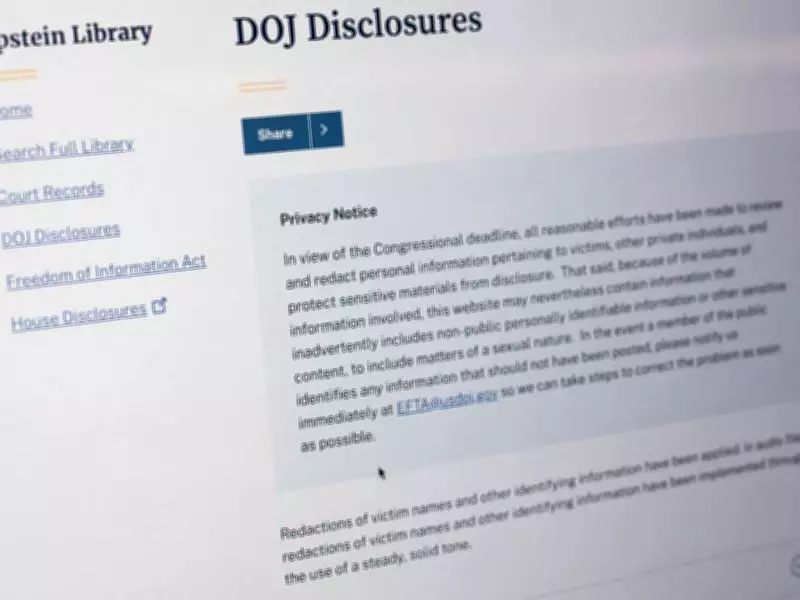
The email in question is part of a trove of documents recently unsealed in connection with the Jeffrey Epstein case, which has garnered global attention due to its implications involving high-profile individuals. In one of these communications, Epstein made a passing reference to PM Modi's visit to Israel in 2017, though the exact context and nature of the mention remain unclear from public reports. This has sparked discussions and speculation in some quarters, prompting the Indian government to respond swiftly and decisively.
MEA's Strong Rebuttal and Stance
In an official statement, the MEA spokesperson emphasized that the email should not be given any credence, describing it as baseless and originating from a source with no credibility. The ministry underscored that Prime Minister Modi's visit to Israel was a significant milestone in bilateral relations, marking the first-ever visit by an Indian Prime Minister to the country, and it should be viewed solely through the lens of diplomatic achievement and strategic partnership.

The MEA further clarified that there is no substance to the email's reference, and it is merely an attempt to sensationalize or distort facts by associating them with a criminal figure. The ministry's response aims to protect the integrity of India's foreign policy and prevent any unwarranted controversies from overshadowing the positive outcomes of the visit.
Implications for India-Israel Relations
Prime Minister Modi's 2017 visit to Israel was widely hailed as a transformative moment in India-Israel relations, leading to enhanced cooperation in areas such as defense, technology, agriculture, and water management. The MEA's dismissal of the Epstein email reference seeks to reinforce that such diplomatic efforts stand on their own merit and should not be tainted by irrelevant and malicious associations.
By rubbishing the email, the Indian government is also sending a clear message about its commitment to maintaining the dignity and respectability of its international engagements, ensuring that they are not misrepresented or dragged into unrelated scandals.
Public and Political Reactions
The MEA's statement has been met with support from various political quarters in India, with many leaders echoing the sentiment that the email should be ignored as inconsequential. Critics, however, have called for transparency and further investigation into any potential connections, though the MEA maintains that there is nothing to investigate given the source's lack of credibility.
This incident highlights the challenges governments face in the digital age, where information—regardless of its veracity—can quickly become fodder for public discourse. The MEA's proactive approach in addressing the issue head-on is seen as an effort to control the narrative and prevent misinformation from spreading.
Conclusion: Upholding Diplomatic Integrity
In conclusion, the Ministry of External Affairs has firmly rejected the reference to PM Modi's Israel visit in Jeffrey Epstein's email, dismissing it as worthless and unworthy of attention. This response underscores India's stance on safeguarding its diplomatic achievements from being undermined by baseless allegations, while also reaffirming the strength and importance of the India-Israel partnership forged during the 2017 visit.






