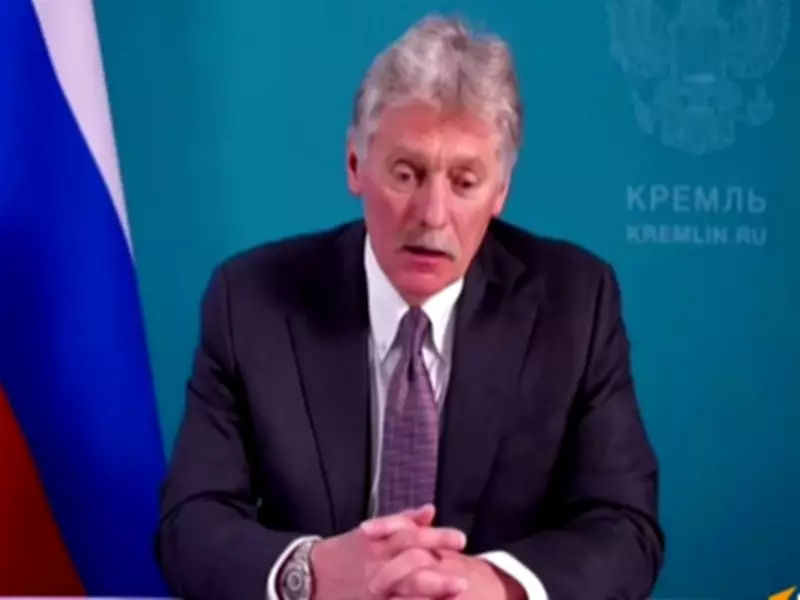
In a recent development that has captured international attention, the Kremlin has clarified that it has not received any formal message from India concerning the stoppage of oil purchases. This announcement was made by Dmitry Peskov, the official spokesman for the Russian government, during a press briefing in Moscow.
Official Statement from the Kremlin
Dmitry Peskov, addressing reporters, emphasized that there has been no official communication from Indian authorities regarding any plans to halt the import of Russian oil. This statement comes at a time when global energy markets are under scrutiny due to geopolitical tensions and economic sanctions. Peskov's remarks highlight the current state of bilateral trade relations between Russia and India, two major players in the international arena.
Context of Global Energy Dynamics
The issue of oil purchases has become a focal point in international diplomacy, with many countries reassessing their energy strategies in response to ongoing conflicts and economic pressures. India, as one of the world's largest consumers of oil, has been navigating complex trade relationships to secure its energy needs. Russia, on the other hand, has been seeking to maintain its export revenues amidst sanctions imposed by Western nations.

Peskov's statement underscores the resilience of the Russia-India energy partnership, which has historically been robust. Despite external pressures, both nations have continued to engage in trade, with oil being a significant component. This relationship is crucial for India's energy security and Russia's economic stability.
Implications for Bilateral Relations
The absence of any official message from India regarding the cessation of oil purchases suggests that the current trade arrangements may remain intact, at least in the short term. This could have broader implications for diplomatic ties between the two countries, as energy trade often serves as a barometer for overall relations.
Experts believe that India's approach to Russian oil is influenced by a combination of factors, including domestic energy demands, economic considerations, and strategic autonomy in foreign policy. By not sending a formal communication, India might be signaling its intent to continue balancing its international commitments while prioritizing national interests.
Future Outlook and Speculations
Looking ahead, the situation remains fluid, with potential shifts depending on global developments and domestic policies in both countries. Analysts are closely monitoring any changes in trade patterns or diplomatic signals that could indicate a shift in India's stance on Russian oil.
It is important to note that while the Kremlin has stated it has not received any message, this does not preclude future communications or adjustments in trade policies. Both nations are likely to continue evaluating their positions in light of evolving international circumstances.
In conclusion, the Kremlin's announcement serves as a reminder of the intricate web of global energy trade and diplomacy. As Russia and India navigate these challenges, their relationship in the oil sector will be a key area to watch for insights into broader geopolitical trends.