

King Charles' Grand Banquet Gets Major Twist With Rare Ramadan Visit
In a historic departure from centuries of royal protocol, King Charles III hosted a state banquet for Nigerian President Bola Ahmed Tinubu during the holy month of Ramadan, creating a unique fusion of British tradition and Islamic observance. The event, held at Buckingham Palace, saw unprecedented adaptations to accommodate fasting guests while maintaining the grandeur expected of royal diplomacy.
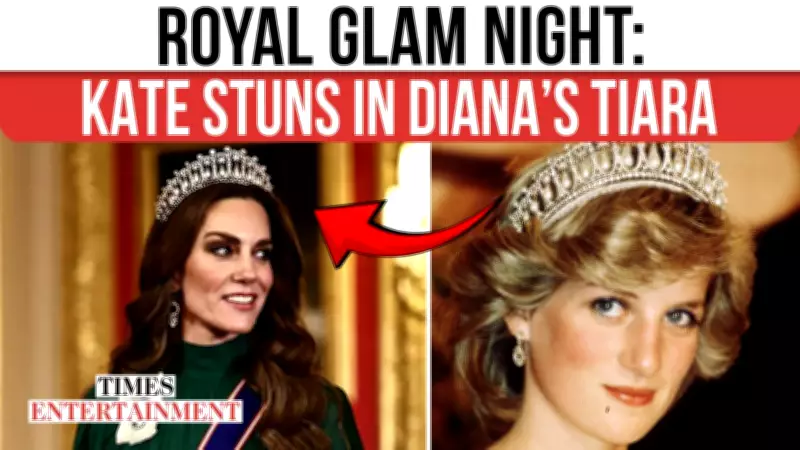
Kate Middleton's Dazzling Tribute to Princess Diana
All eyes were on Catherine, Princess of Wales, who made a stunning appearance wearing Princess Diana's favorite Lover's Knot Tiara. The diamond-encrusted headpiece, famously worn by the late Princess of Wales during numerous state occasions, added a poignant historical connection to the evening's proceedings. Kate Middleton paired the tiara with an elegant gown that complemented the tiara's intricate design, creating what fashion observers called "a masterful blend of royal heritage and contemporary elegance."
Ramadan-Inspired Protocol Changes
The banquet featured several significant adaptations to respect Ramadan traditions:

- Timing adjustments: The event was scheduled to allow Muslim guests to break their fast at sunset
- Menu modifications: Traditional banquet courses were adapted to include iftar-friendly options
- Service protocol: Special arrangements were made for guests observing fasting rituals
- Cultural sensitivity: Decor and programming incorporated elements acknowledging the significance of Ramadan
These changes represented what royal historians described as "the most significant adaptation of royal banquet protocol in living memory," demonstrating the monarchy's evolving approach to multicultural diplomacy.
High-Profile Guest List and Diplomatic Significance
The banquet brought together an impressive array of dignitaries, government officials, and cultural leaders from both nations. President Bola Ahmed Tinubu's visit marked an important moment in UK-Nigeria relations, with discussions expected to cover trade, security cooperation, and cultural exchange. The Nigerian delegation included senior ministers and business leaders, while the British side featured key government figures alongside members of the royal family.
Diplomatic observers noted the strategic timing of the visit, coming at a crucial moment in international relations and highlighting the UK's commitment to strengthening ties with African nations. The Ramadan context added an additional layer of cultural diplomacy, with the royal family demonstrating respect for Islamic traditions while maintaining British ceremonial standards.
Royal Elegance Meets Cultural Diplomacy
The evening showcased what palace officials described as "a new chapter in royal hospitality," blending traditional British pageantry with thoughtful cultural accommodation. The grand dining hall was decorated with floral arrangements that subtly incorporated colors and themes relevant to both British and Nigerian cultures, while the musical program featured selections that respected the solemnity of Ramadan while celebrating the occasion's diplomatic importance.
This groundbreaking event follows King Charles's expressed commitment to modernizing the monarchy while maintaining its historical foundations. The successful execution of a Ramadan-appropriate state banquet represents a significant milestone in the royal family's ongoing efforts to reflect Britain's diverse population and global relationships.
The banquet concluded with traditional toasts and exchanges of gifts, symbolizing the strengthened partnership between the United Kingdom and Nigeria. Palace sources indicate that the protocol innovations developed for this event may influence future royal engagements with nations observing different religious and cultural traditions.






