Sport as a Bridge: How Kabaddi is Forging Lasting UK-India Ties
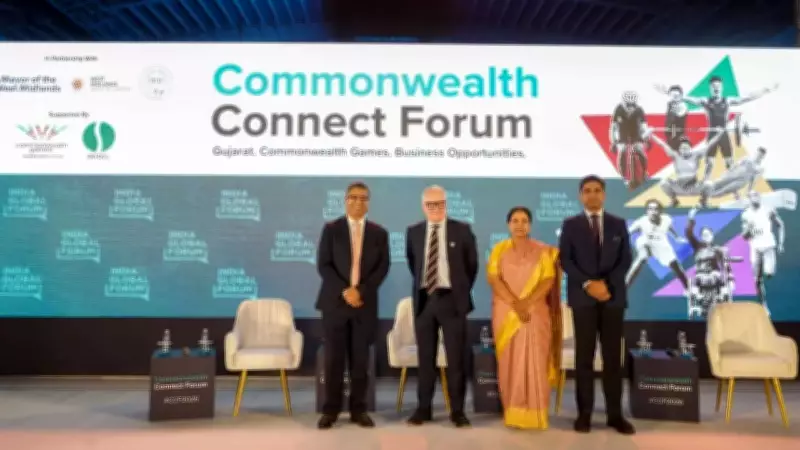
In the realm of global diplomacy, trade agreements often set the stage, but it is the human elements—people, culture, and shared experiences—that truly determine what flourishes. This principle was vividly illustrated in a recent dialogue between West Midlands Mayor Richard Parker and British Kabaddi League CEO Prem Singh. On the surface, their discussion centered on sport, partnership, and opportunity, yet it delved deeper into how regions can connect through trust, diversity, and common ambition.
A Grounded Approach to Global Competition
At a time when cities and states are pressured to compete internationally, the West Midlands offers a refreshingly grounded perspective. Sport is not merely entertainment; it is a strategic tool. When approached with creativity, it can become a powerful engine for economic and cultural exchange. Richard Parker’s visit to Gujarat was part of a broader initiative to strengthen ties between India and the West Midlands, focusing on business, trade, sport, creative industries, and culture. The timing is significant, as both regions are evolving economies with strengths in manufacturing and engineering, while advancing in technology, innovation, and professional services. This shared transition creates common ground, laying the foundation for genuine partnerships.
The Human Touch of Sport Diplomacy
What energized the conversation was the idea that sport can achieve what formal channels often struggle with: making partnerships feel human. Sport generates visibility, pride, and connection in ways few other platforms can. This was particularly evident in the discussion around kabaddi. Historically viewed as a sport rooted in South Asia, kabaddi has rarely been considered in a broader international context. However, hosting the Kabaddi World Cup in the West Midlands shifted this perception. Prem Singh explained that the decision was not based on novelty alone but on solid logic—a business case, a cultural case, and a social case. In a region celebrated for its diversity and strong South Asian communities, kabaddi was not an outsider; it belonged.

Turning Diversity into Action
This distinction is crucial. Too often, diversity is reduced to slogans, but here, it was transformed into tangible action. The West Midlands did not merely permit the idea; it actively supported, validated, and realized it. Singh emphasized that this backing made all the difference, turning a hopeful proposal into a successful global event. The Kabaddi World Cup exceeded expectations, drawing vast viewership and social media engagement. Yet, the most compelling aspect is not the numbers but the legacy it created.
Building a Lasting Legacy
Kabaddi in the West Midlands did not end with the final whistle. Schools have begun introducing the sport, summer programs are being developed, and community teams are forming. A sport once tied to heritage is now woven into a new civic and cultural identity. This is legacy in its truest form—not a mere plaque but something integrated into everyday life. Parker stressed that the value of such events lies not just in elite competition or global attention but in creating lasting public benefits: better facilities, wider access, stronger participation, improved physical and mental well-being, and greater community pride. These are not side benefits; they are the core objectives.
Lessons for Gujarat and Beyond
This conversation holds relevance for Gujarat and Ahmedabad’s sporting ambitions, especially with potential Commonwealth Games hosting. The challenge is not merely logistical but philosophical: What legacy should such events leave? Who should they serve after the cameras depart? How can infrastructure outlast ceremony? Parker’s answer is direct: build enduring facilities, ensure accessibility beyond the event, and use the platform to inspire youth participation. In essence, build not just for the event’s duration but for future generations.

Openness and Trust as Foundations
Another key theme was openness. Both Parker and Singh discussed making the West Midlands welcoming, promoting diversity as a strength, and recognizing that business relationships depend on trust between people. Trade deals create possibilities, but connections are built through conversations, exchanges, shared passions, and cultural understanding. Sport and culture excel in this, creating a language before deals are signed and relationships after headlines fade.
Kabaddi as a Symbol of Transformation
In this context, kabaddi transcends sport; it becomes proof that communities carry their stories, reshaping the places they inhabit. What began as a regional game is now part of a broader dialogue on representation, belonging, aspiration, and exchange. For India and the UK, particularly Gujarat and the West Midlands, the opportunity lies in thinking beyond cricket, commerce, and ceremonial partnerships. A deeper model of engagement is needed, where business, culture, and sport collaborate seamlessly.
When this happens, a sporting event ceases to be just an event—it becomes a bridge connecting cultures, fostering enduring ties that enrich both regions.