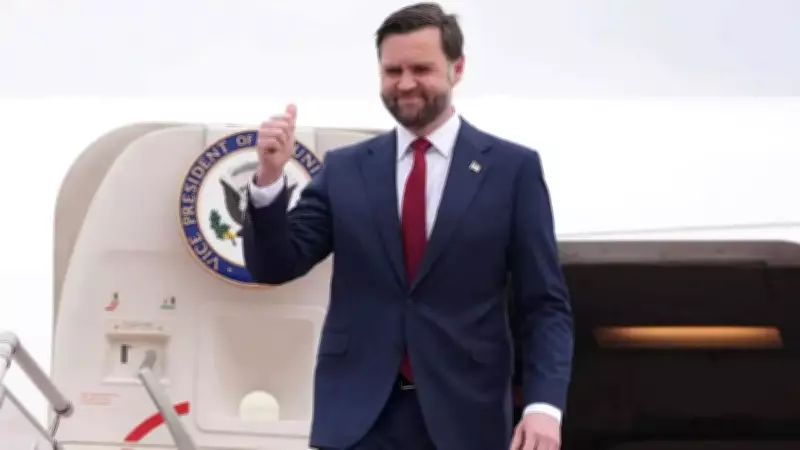
US Vice President JD Vance Takes on High-Stakes Iran Negotiations
In a significant diplomatic move, US Vice President JD Vance has been selected by President Donald Trump to lead crucial negotiations with Iran, marking a pivotal shift in his involvement with the ongoing conflict. Vance, who had previously maintained a distance from the early stages of the Iran issue, arrived in Islamabad on Saturday to spearhead these high-stakes talks, following a two-day visit to Budapest where he received this critical assignment from Trump.
Why Trump Chose Vance for the Iran Talks
Reports indicate that Vance was chosen in part to align with preferences from Tehran. According to sources, some factions within Iran's leadership viewed him as an acceptable negotiator due to his image as one of the more anti-war figures in the US administration, and had quietly expressed a desire for his involvement. However, Vance himself dismissed these claims, asserting that he actively pushed to be part of the discussions. "I wanted to be involved because I thought I could make a difference," he told reporters before departing Hungary. Despite his personal beliefs, Vance affirmed his support for the mission, humorously noting, "My key role was I sat on the phone a lot. I answered a lot of phone calls," in reference to his efforts in helping to negotiate a cease-fire.
Political and Diplomatic Risks of the Assignment
This assignment carries substantial political and diplomatic risks for Vance. People familiar with his thinking have revealed that he is aware the outcome could have significant political consequences, yet he remains focused on ending the conflict. His office has stated that he is "not thinking about this in the realm of future political considerations." The negotiations are further complicated by key differences between the two sides, such as Iran's push for the right to enrich nuclear material, which the US has consistently treated as a red line.

Global Stakes and Potential Outcomes
The situation is exacerbated by global economic stakes, with the Strait of Hormuz remaining a critical concern. Any disruption in this vital shipping route could have widespread economic impacts. If the talks progress successfully, they could bolster Vance's standing within the Trump administration and the broader Republican sphere. However, the risks remain high, and failure or continued conflict could lead to significant criticism and political fallout for the vice president.
This development underscores the complex dynamics of US-Iran relations and the strategic calculations behind Trump's decision to entrust Vance with such a sensitive diplomatic role.