

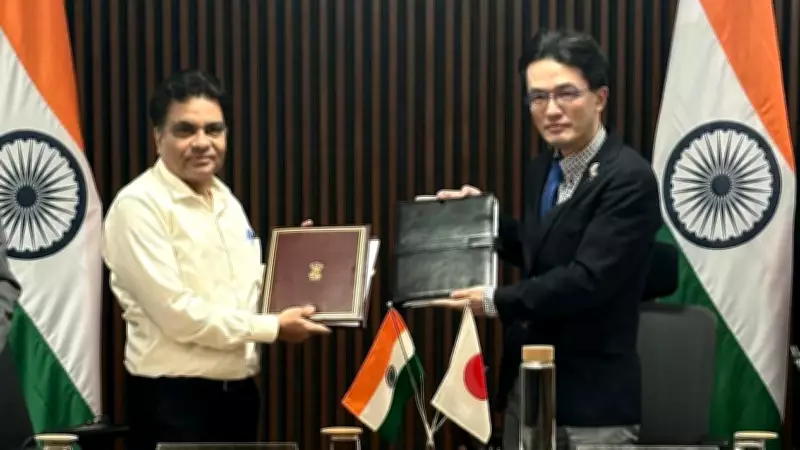
Japan Approves Major Loan for Bengaluru Metro Expansion, New Deadline Set for 2032
In a significant boost to Karnataka's urban infrastructure, the Japanese government has formally agreed to provide a substantial loan of Rs 6,100 crore for the ambitious Phase 3 expansion of Bengaluru's Namma Metro system. This financial commitment marks a crucial step forward for the project, which aims to enhance public transportation in India's tech capital. However, the project timeline has been revised, with the completion deadline now pushed to April 2032, reflecting delays primarily related to land acquisition processes.
Details of the Japanese Funding and Project Scope
The loan, facilitated through Japan International Cooperation Agency (JICA), is earmarked specifically for the third phase of the Namma Metro, which is set to add approximately 44 kilometers of new lines across Bengaluru. This phase includes key corridors such as the Outer Ring Road line and extensions to existing routes, designed to alleviate traffic congestion and improve connectivity in rapidly growing areas of the city. The funding underscores Japan's ongoing partnership with India in developing critical infrastructure projects, following previous collaborations on metro systems in other Indian cities.
Project officials have confirmed that the Rs 6,100 crore loan will cover a significant portion of the estimated total cost, with the remaining funds to be sourced from state and central government allocations. This financial injection is expected to accelerate construction activities once land issues are resolved, potentially creating thousands of jobs and stimulating local economic growth during the implementation period.

Reasons for the Deadline Extension and Current Challenges
The extension of the project deadline to April 2032, from an earlier target, is attributed to persistent challenges in land acquisition, which have slowed preparatory work. Authorities cite complexities in securing rights-of-way and coordinating with multiple stakeholders, including private landowners and government agencies, as primary factors behind the delay. This setback highlights the broader hurdles often faced in large-scale urban development projects in India, where land procurement can be a time-consuming and contentious process.
Despite the timeline adjustment, project managers remain optimistic about meeting the new deadline, emphasizing that advanced planning and the secured Japanese loan will help streamline future phases of construction. They note that lessons learned from earlier phases of the Namma Metro are being applied to mitigate similar delays, with a focus on improved community engagement and faster dispute resolution mechanisms.
Impact on Bengaluru's Urban Mobility and Future Prospects
Once completed, Phase 3 of the Namma Metro is projected to significantly enhance public transportation in Bengaluru, reducing reliance on private vehicles and cutting down travel times for commuters. The expansion aligns with Karnataka's broader goals of sustainable urban development and smart city initiatives, potentially serving as a model for other metropolitan areas in India. Experts suggest that the project could also spur real estate development along the new metro corridors, boosting property values and commercial activity in peripheral regions.
Looking ahead, stakeholders are urging expedited action on land acquisition to avoid further delays, with calls for enhanced coordination between state and central authorities. The successful implementation of this phase could pave the way for additional metro expansions in Bengaluru, reinforcing the city's status as a hub for innovation and growth in South India.






