Jaishankar's Firm Stance on Pakistan Mediation Speculation
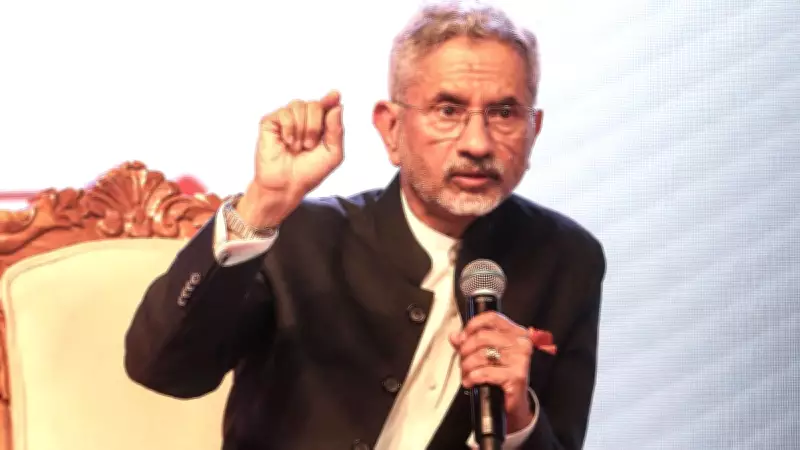
External Affairs Minister Dr. S. Jaishankar delivered a sharp and unequivocal response to recent media buzz suggesting that Gulf nations might act as mediators between India and Pakistan. In a statement that has garnered significant attention, Jaishankar firmly rejected the notion, emphasizing India's sovereign approach to diplomacy.
'We Are Not a Dalal Nation': A Direct Rebuttal
Addressing reporters, Jaishankar stated, 'We are not a dalal nation', using the Hindi term for 'broker' or 'middleman' to underscore his point. This blunt phrasing was aimed at dispelling any assumptions that India would rely on third-party intervention to manage its bilateral relations with Pakistan. He clarified that India handles its foreign affairs independently and does not seek or require mediation from other countries.
The minister's comments come amid ongoing tensions between India and Pakistan, which have historically been marked by conflicts over issues such as Kashmir and cross-border terrorism. Jaishankar highlighted that India's position on engaging with Pakistan is clear and consistent, based on direct dialogue without external interference.

Context of Gulf Nations' Role
Speculation about potential mediation by Gulf nations, particularly Saudi Arabia and the United Arab Emirates, has surfaced in recent weeks. These countries have maintained diplomatic ties with both India and Pakistan and have occasionally played roles in facilitating talks in the past. However, Jaishankar's remarks indicate a firm stance against any such involvement in current affairs.
He elaborated that while India values its strong relationships with Gulf nations, these ties are built on mutual respect and do not extend to mediating in India's bilateral disputes. This aligns with India's broader foreign policy principle of resolving issues directly with concerned parties.
Implications for India-Pakistan Relations
Jaishankar's statement reinforces India's long-standing position that any dialogue with Pakistan must be conducted bilaterally and without preconditions. He pointed out that Pakistan's support for cross-border terrorism remains a significant obstacle to meaningful talks. By rejecting mediation buzz, India signals its commitment to addressing core issues directly, rather than through intermediaries.
The minister also touched upon the importance of maintaining regional stability, noting that India's approach is focused on peace and security in South Asia. He asserted that India is capable of managing its foreign policy challenges without external assistance, reflecting confidence in its diplomatic capabilities.
Broader Diplomatic Strategy
This incident highlights Jaishankar's assertive diplomatic style, which has been a hallmark of his tenure. It underscores India's growing emphasis on strategic autonomy in international relations, particularly in dealing with neighboring countries. The rejection of mediation aligns with efforts to project India as a confident global player that sets its own terms for engagement.
In summary, Jaishankar's blunt response serves as a clear message to both domestic and international audiences: India will not entertain third-party mediation in its affairs with Pakistan. This stance is rooted in principles of sovereignty and direct diplomacy, shaping the future trajectory of India-Pakistan relations.