

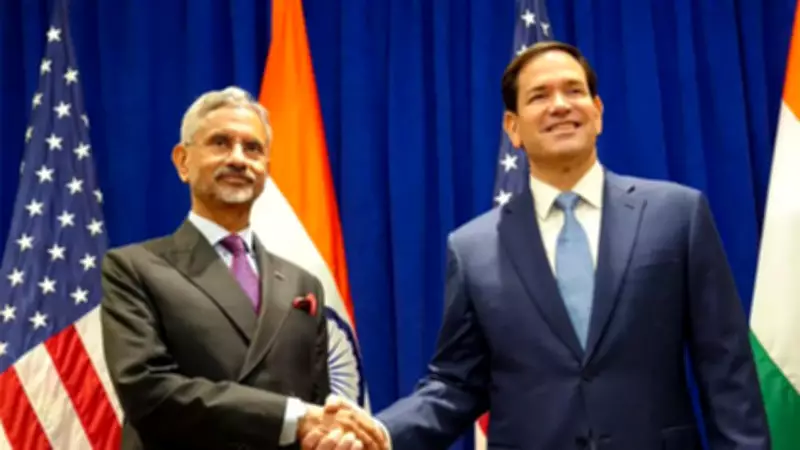
Jaishankar and US Senator Rubio Hold Crucial Talks on West Asia Conflict
External Affairs Minister S Jaishankar engaged in a significant conversation with United States Senator Marco Rubio late on Monday, focusing intently on the volatile situation in the West Asia region. This dialogue occurred amidst renewed international hopes for an early resolution to the ongoing conflict that has gripped the area.
Detailed Discussion on Conflict and Global Economic Impact
Jaishankar revealed that the exchange was comprehensive, covering the multifaceted West Asia conflict and its profound repercussions on the international economy. The minister emphasized that energy security concerns were a pivotal part of their discussion, given recent attacks on critical energy infrastructure. Both parties concurred on the necessity to maintain continuous communication and agreed to remain in close touch moving forward, as Jaishankar communicated in a post on social media platform X.
Context of US-Iran Tensions and Diplomatic Moves
This high-level conversation followed a notable announcement by US President Donald Trump, who declared that the United States would postpone planned strikes on Iran's power plants for an additional five days. President Trump attributed this decision to "very good and productive" discussions with Iranian officials. However, Tehran promptly refuted any involvement in negotiations with the US, creating a complex diplomatic backdrop.

India has expressed particular alarm over the recent assaults on energy facilities, which occurred last week. Prime Minister Narendra Modi has unequivocally condemned these attacks during his discussions with Gulf leaders and in conversations with Iran's President Masoud Pezeshkian, underscoring India's vested interest in regional stability.
Potential Peace Talks and Broader Diplomatic Engagements
Concurrently, reports emerged citing multiple sources indicating that US and Iranian officials might convene in Islamabad as early as this week to advance peace talks. This development hints at possible diplomatic breakthroughs despite public denials from Tehran.
Earlier on Monday, Jaishankar also met with the ambassadors of all Gulf Cooperation Council (GCC) countries. During these meetings, he expressed gratitude for their ongoing support to the Indian community residing in the region. Additionally, the minister held discussions with his counterparts from Germany and Sri Lanka, reflecting India's active and multifaceted diplomatic outreach amid the crisis.
The situation remains fluid, with global attention fixed on the West Asia region as stakeholders navigate the delicate balance between military posturing and diplomatic negotiations. India's proactive engagement, as demonstrated by Jaishankar's series of talks, highlights its strategic concerns regarding energy security and regional peace, which are critical to both its economy and international standing.






