

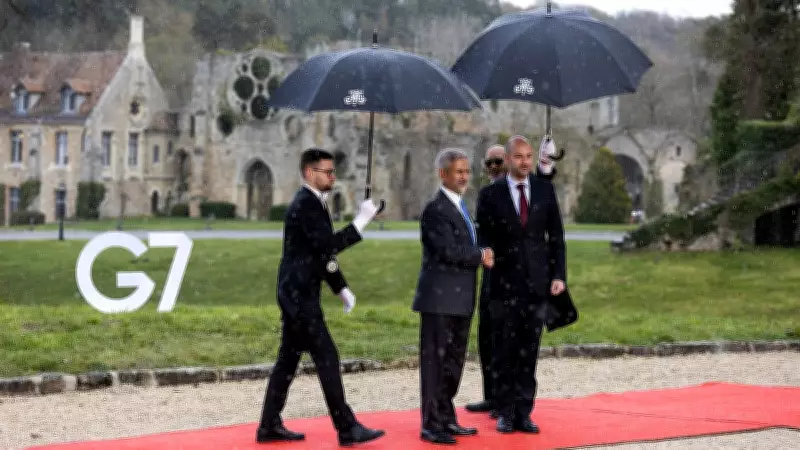
Jaishankar Calls for Immediate UNSC Reforms at G7 Summit
External Affairs Minister S. Jaishankar has strongly advocated for urgent reforms to the United Nations Security Council (UNSC) during his participation at the G7 meeting held in Italy. In his address, he underscored the critical necessity of updating the global governance structure to better reflect contemporary geopolitical realities and ensure fair representation for all nations.
Addressing Global South Concerns
Jaishankar specifically highlighted the pressing concerns of the Global South, emphasizing that these nations often feel marginalized in international decision-making processes. He pointed out that the current UNSC framework, established decades ago, fails to adequately address the interests and challenges faced by developing countries in regions such as Africa, Asia, and Latin America.
The minister argued that without meaningful reforms, the credibility and effectiveness of the United Nations are at risk. He called for a more inclusive approach that gives voice to the Global South, ensuring their perspectives are integrated into global policies on issues like climate change, economic development, and security.

Key Points from Jaishankar's Speech
- Urgent need for UNSC expansion to include more permanent and non-permanent members from diverse regions.
- Emphasis on the importance of multilateralism and collaborative solutions to global challenges.
- Advocacy for reforms that enhance transparency and accountability within international institutions.
- Recognition of India's role as a bridge between developed and developing nations in fostering dialogue.
Jaishankar's remarks come at a time when global tensions and inequalities are rising, making the call for reformed multilateralism more pertinent than ever. His participation in the G7 meeting, which includes major economies like the United States, Germany, and Japan, provided a platform to amplify these concerns on a high-profile stage.
The minister's focus on UNSC reforms aligns with India's longstanding position as a candidate for a permanent seat on the council, reflecting its growing influence and commitment to shaping a more equitable world order. This push for change is seen as crucial for addressing the aspirations of billions in the Global South who seek greater agency in international affairs.






