

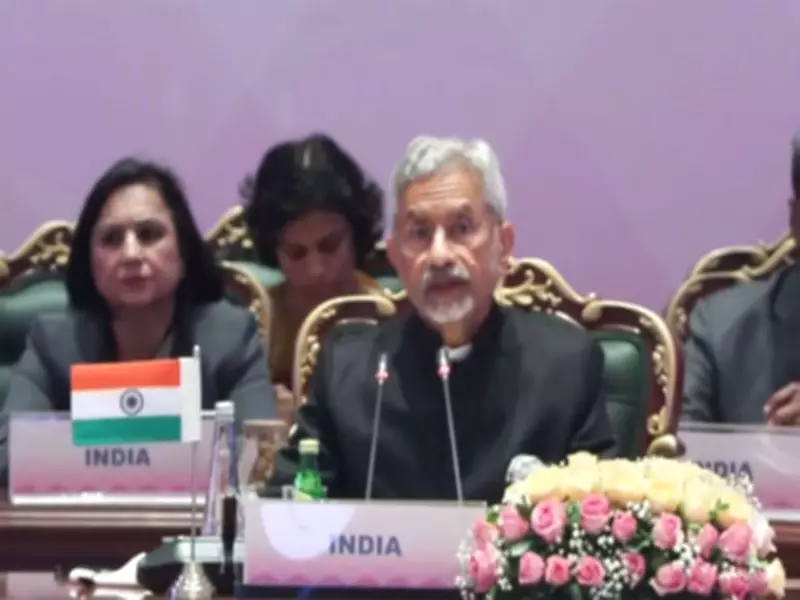
External Affairs Minister S. Jaishankar has underscored the significant relevance of the ongoing transformation in the Middle East for India's evolving relationships with Arab nations. In a recent address, he highlighted how these regional changes are shaping diplomatic and strategic engagements between India and the Arab world.
Strategic Implications of Regional Shifts
Jaishankar pointed out that the Middle East is undergoing a profound transformation, which includes political realignments, economic diversification efforts, and shifting geopolitical dynamics. He noted that these changes are not isolated but have direct implications for India's foreign policy and its ties with Arab countries. The minister emphasized that India must adapt its approach to leverage new opportunities and address emerging challenges in this dynamic region.
India's Multifaceted Engagement
The External Affairs Minister elaborated on India's multifaceted engagement with Arab nations, which spans trade, energy security, cultural exchanges, and people-to-people connections. He mentioned that the transformation in the Middle East opens avenues for deeper collaboration in areas such as technology, infrastructure development, and counter-terrorism efforts. Jaishankar stressed that India's historical and civilizational links with the Arab world provide a strong foundation for enhancing these partnerships in light of the current regional shifts.

Economic and Diplomatic Opportunities
Jaishankar discussed the economic opportunities arising from the Middle East's transformation, including investments in renewable energy and digital economies. He highlighted that India's growing economy and technological prowess position it as a key partner for Arab nations seeking to diversify their economies beyond oil. Diplomatically, he noted that India's role in multilateral forums and its commitment to peace and stability align with the interests of Arab countries navigating the changing regional landscape.
Challenges and the Way Forward
The minister acknowledged that the transformation in the Middle East also presents challenges, such as regional conflicts and security concerns. He affirmed India's commitment to engaging constructively with all stakeholders to promote dialogue and resolution. Jaishankar called for a proactive and nuanced approach in India's foreign policy to strengthen ties with Arab nations, ensuring that bilateral relationships are resilient and mutually beneficial amidst the ongoing changes.
In conclusion, Jaishankar's remarks highlight the critical importance of monitoring and responding to the Middle East's transformation for India's strategic interests. By fostering closer cooperation with Arab nations, India aims to build a more robust and forward-looking partnership that capitalizes on the region's evolving dynamics.






