

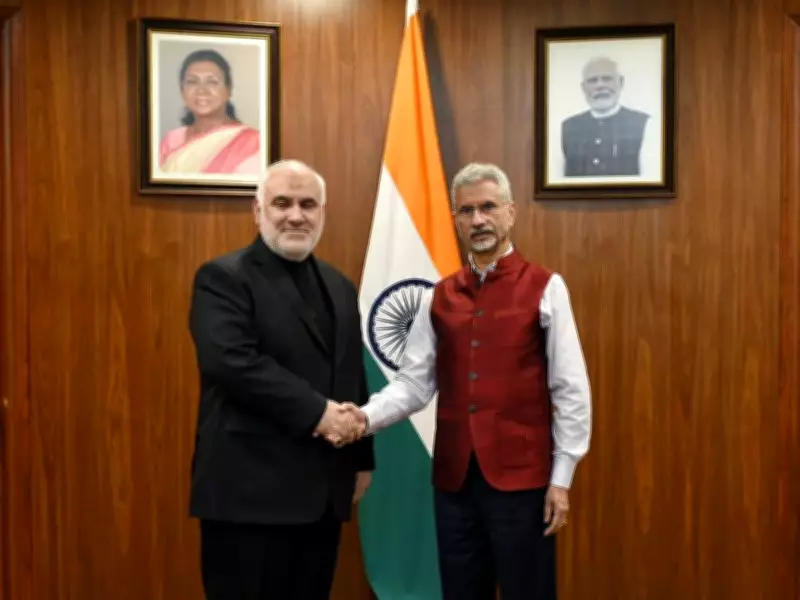
EAM Jaishankar Holds Crucial Meeting with Iranian Envoy Amid Regional Tensions
In a significant diplomatic engagement, External Affairs Minister Dr. S Jaishankar met with Iran's Ambassador to India, Dr. Mohammad Fathali, on Tuesday, March 24, 2026. The meeting, held in New Delhi, focused on the escalating conflict in West Asia and the welfare of Indian citizens in Iran.
Jaishankar expressed sincere appreciation for the support extended by Iranian authorities to the Indian community during these challenging times. The minister detailed the discussions in a post on social media platform X, stating they had a productive conversation about the regional situation.
High-Level Diplomatic Coordination Precedes Meeting
This important bilateral engagement followed a critical telephonic conversation earlier the same day between Prime Minister Narendra Modi and United States President Donald Trump. The two leaders exchanged views on the West Asia conflict, with PM Modi emphasizing India's position supporting de-escalation and early restoration of peace.

The Prime Minister highlighted the global importance of maintaining the Strait of Hormuz as open, secure, and accessible for international navigation. Both leaders agreed to maintain regular contact regarding ongoing peace and stability efforts in the region.
International Context and Regional Developments
The diplomatic exchanges occur against a backdrop of:
- Intensifying regional tensions affecting global energy markets
- Heightened concerns about maritime security in vital shipping lanes
- Ongoing international efforts to secure critical energy corridors
- Complex diplomatic maneuvers involving multiple stakeholders
US envoy Sergio Gor confirmed the Modi-Trump dialogue focused substantially on the current situation, including the crucial need to keep the Strait of Hormuz operational for international trade.
India's Proactive Diplomatic Stance
Addressing Parliament on Tuesday, Prime Minister Modi outlined India's comprehensive diplomatic approach to the crisis. The Prime Minister revealed he has conducted two rounds of telephone conversations with most West Asian heads of state since the conflict began.
India maintains continuous contact with:
- All Gulf Cooperation Council countries
- Iran, Israel, and the United States
- Other regional stakeholders
"Through diplomacy, India is trying to ensure safe commutation of the country's ships even in a war situation," PM Modi stated, emphasizing that New Delhi prefers dialogue-based solutions to resolve complex international issues.
Protecting Indian Interests and Community Safety
The Prime Minister underscored that protecting India's maritime interests and ensuring the safety of the Indian diaspora remain top priorities for the government. This commitment was reflected in Jaishankar's meeting with the Iranian envoy, where appreciation was specifically expressed for Tehran's assistance to Indian nationals.
The diplomatic outreach comes as President Trump signaled potential de-escalation in US-Israel tensions with Iran, extending deadlines for potential military actions and engaging in what he described as "productive" talks with Tehran through mediators.
While Iranian officials claimed the US President had modified his stance following firm warnings, international media reports suggest Tehran is reviewing points received from Washington through diplomatic channels.
India's multi-pronged diplomatic engagement demonstrates its commitment to leveraging its strategic relationships to navigate complex international crises while protecting national interests and citizen welfare abroad.






