India Intensifies Diplomatic Efforts Amid West Asia Conflict
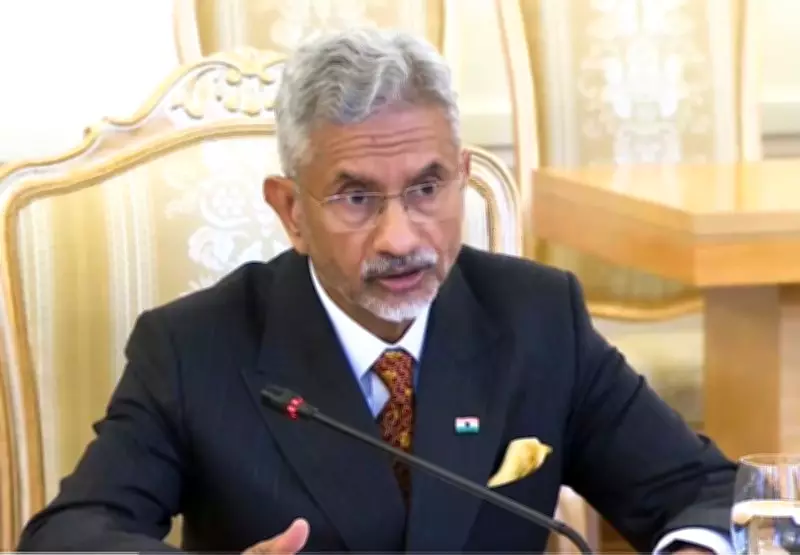
In a significant move to address the escalating tensions in West Asia, External Affairs Minister Dr. S. Jaishankar has ramped up India's diplomatic outreach. The minister engaged in a series of high-level discussions with key international counterparts, underscoring India's proactive role in fostering regional stability and peace.
Strategic Talks with France, Russia, and the European Union
Jaishankar held detailed conversations with diplomatic leaders from France, Russia, and the European Union. These talks focused on the ongoing conflict in West Asia, with an emphasis on de-escalation strategies and humanitarian concerns. The discussions are part of India's broader foreign policy initiative to engage with major global powers and multilateral bodies in resolving international crises.
Key objectives of these diplomatic exchanges included:

- Assessing the current security situation and its implications for regional and global stability.
- Exploring collaborative approaches to mitigate violence and protect civilian lives.
- Strengthening bilateral and multilateral cooperation on conflict resolution mechanisms.
India's Evolving Role in Global Diplomacy
This diplomatic push highlights India's growing influence on the world stage, particularly in conflict zones like West Asia. By engaging with diverse stakeholders such as France, Russia, and the EU, India aims to bridge diplomatic gaps and promote a balanced perspective. The outreach reflects New Delhi's commitment to a rules-based international order and its strategic interests in the region, including energy security and diaspora welfare.
Analysts note that Jaishankar's efforts could enhance India's credibility as a mediator, given its historical ties and non-aligned stance in global politics.
Implications for Regional and International Relations
The talks are expected to have several implications:
- Potential for increased diplomatic coordination among involved nations to address the conflict's root causes.
- Opportunities for India to leverage its relationships to advocate for peaceful solutions and humanitarian aid.
- Strengthening of India's bilateral ties with France, Russia, and EU member states, potentially leading to enhanced cooperation in other areas such as trade and defense.
As the West Asia conflict continues to unfold, India's diplomatic outreach under Jaishankar's leadership positions the country as a key player in international efforts to restore peace. The outcomes of these discussions may influence future policy directions and collaborative initiatives in the region.