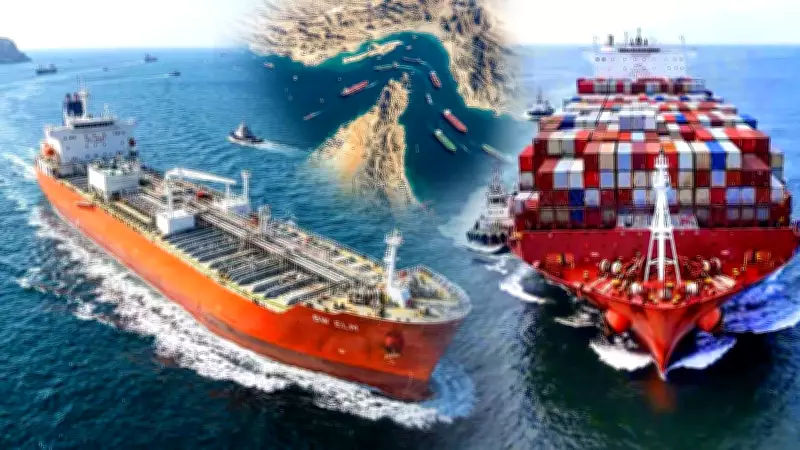
Jag Vikram Makes History: First Indian Ship Through Hormuz Post-Ceasefire
In a significant development for global maritime trade, the India-flagged LPG tanker Jag Vikram has successfully navigated the Strait of Hormuz, becoming the first vessel of its kind to complete this transit following the announcement of a temporary two-week ceasefire between the United States and Iran. This milestone event occurred between Friday night and Saturday morning, as confirmed by reliable ship-tracking data, and comes amid a noticeable easing of regional tensions that have long plagued this critical waterway.
A Strategic Passage Amid Easing Tensions
The successful transit of Jag Vikram through the Strait of Hormuz represents more than just a routine shipping operation; it signals a potential turning point in the region's security landscape. The temporary ceasefire, brokered between Washington and Tehran, has created a window of opportunity for maritime activities to resume with reduced risk. This development is particularly crucial given the strait's role as a strategic chokepoint for global energy supplies, through which approximately one-fifth of the world's oil passes annually.
According to maritime analysts, the crossing indicates a gradual return of confidence among shipping companies and nations reliant on this route. The fact that an Indian-flagged vessel has taken this pioneering step underscores India's growing importance in global energy logistics and its proactive approach to securing its maritime interests.

Broader Context: Indian Shipping Activity in the Persian Gulf
The journey of Jag Vikram is not an isolated incident but part of a broader pattern of increasing Indian maritime presence in the region. This vessel marks the ninth Indian-flagged ship to exit the Persian Gulf since early March, pointing to a slow but steady normalization of shipping operations. This trend suggests that Indian shipping companies are cautiously re-engaging with one of the world's most vital energy transit corridors.
The implications of this normalization are far-reaching:
- Enhanced Energy Security: Regular transit through Hormuz ensures more stable energy supplies for India and other nations.
- Economic Benefits: Reduced insurance premiums and shorter transit times could lower costs for global trade.
- Diplomatic Significance: The successful passage demonstrates how international diplomacy can directly impact practical commercial activities.
Looking Ahead: Prospects for Continued Maritime Stability
While the temporary ceasefire provides immediate relief, the long-term stability of the Strait of Hormuz remains dependent on sustained diplomatic efforts. The successful transit of Jag Vikram serves as a positive indicator that confidence-building measures can yield tangible results in high-risk regions. Maritime experts emphasize that continued monitoring and international cooperation will be essential to maintain this fragile progress.
For India, this development aligns with its broader strategic interests in securing energy routes and enhancing its role as a responsible maritime stakeholder. As more vessels follow in the wake of Jag Vikram, the world will be watching to see if this marks the beginning of a more permanent normalization in one of the globe's most strategically sensitive waterways.