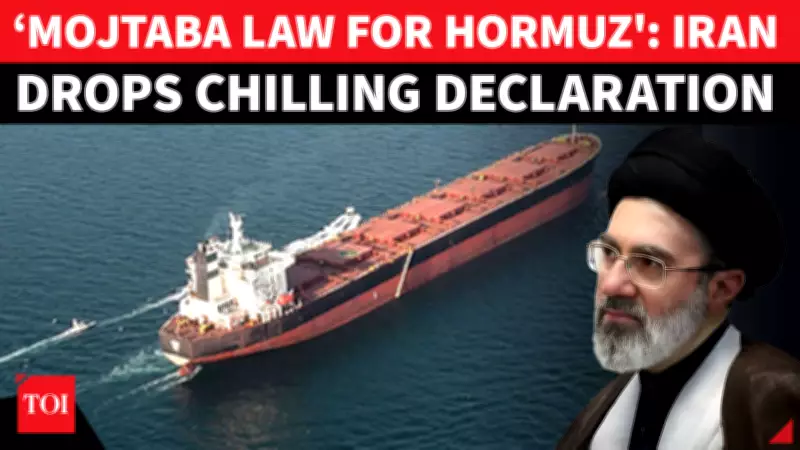
Iran Announces New Maritime Order for Strait of Hormuz Amid Trump's Naval Blockade Threats
The strategic Strait of Hormuz has become the focal point of a significant geopolitical confrontation as Iran declared a "new maritime order" to regulate access through this vital global shipping lane. This development coincides with former US President Donald Trump reiterating his stance on imposing a naval blockade on Iranian ports, escalating tensions in the region.
Iran's New Navigation Rules and Map
According to Iranian officials, including Ebrahim Azizi, international commercial shipping must now adhere to Tehran-approved routes when transiting the Strait of Hormuz. The new regulations mandate that vessels obtain authorization from the Islamic Revolutionary Guard Corps (IRGC) Navy and pay designated tolls for passage. Iran has reportedly issued a new navigation map that delineates restricted and hazardous zones near Oman, effectively redirecting maritime traffic closer to Iranian territorial waters.
Iranian authorities have emphasized that military vessels remain strictly prohibited under this framework, while warning that transit permissions could be revoked if external political or military pressure persists. This move is seen as Iran asserting greater control over the chokepoint, which handles approximately one-fifth of the world's oil shipments.

Trump's Renewed Naval Blockade Stance
In response to Iran's actions, former President Donald Trump has reaffirmed his position on implementing a naval blockade targeting Iranian ports. Trump's statements underscore the ongoing US-Iran tensions, with his administration historically adopting a hardline approach toward Tehran. The threat of a blockade adds a layer of military and economic pressure, potentially disrupting global energy markets and maritime security.
Geopolitical Implications and Regional Stability
The Strait of Hormuz is a critical artery for international trade, particularly for oil exports from the Middle East. Iran's imposition of new rules and Trump's blockade threats create a volatile environment that could lead to:
- Increased risks of maritime incidents or confrontations between Iranian forces and foreign navies.
- Potential disruptions to global oil supply chains, affecting energy prices worldwide.
- Heightened diplomatic tensions involving regional players like Oman and international stakeholders.
This standoff reflects broader geopolitical rivalries, with Iran seeking to leverage its geographic advantage while the US and its allies aim to maintain freedom of navigation. The situation remains fluid, with both sides signaling readiness to escalate if their demands are not met.