Iran's Diplomatic Message to India Amid LPG Vessel Transit
In a significant development underscoring the robust bilateral ties between Iran and India, the Iranian government has conveyed a heartfelt message to New Delhi, stating that India "holds a cherished place in our shared history." This communication coincided with the successful passage of the seventh liquefied petroleum gas (LPG) vessel through the strategically vital Strait of Hormuz, marking a milestone in their energy partnership.
Details of the LPG Vessel Transit
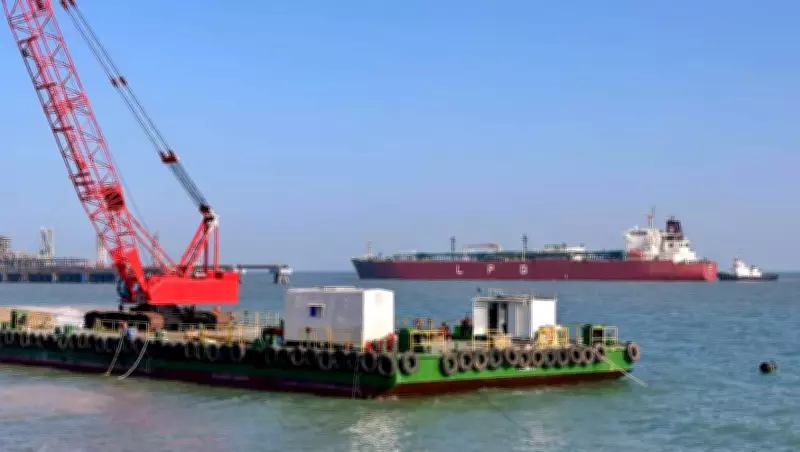
The transit of the LPG vessel through the Strait of Hormuz, a critical chokepoint for global oil and gas shipments, highlights the ongoing cooperation in the energy sector between the two nations. This event follows previous successful passages, reinforcing the reliability of this route for energy supplies. The vessel's journey is part of a broader initiative to enhance energy security and trade flows, with Iran being a key supplier of LPG to India, which relies heavily on imports to meet its domestic energy demands.
The timing of Iran's message is particularly noteworthy, as it comes amid regional geopolitical tensions and global energy market fluctuations. By emphasizing the historical and cultural bonds, Iran aims to strengthen diplomatic and economic relations, potentially paving the way for increased collaboration in areas beyond energy, such as trade and infrastructure development.

Implications for Bilateral Relations
This gesture from Iran is seen as a strategic move to bolster ties with India, a major global economy and a significant player in South Asia. The shared history referenced includes centuries of cultural, economic, and political interactions, which have fostered a deep-rooted connection. Experts suggest that such diplomatic overtures could lead to:
- Enhanced energy cooperation, including more LPG shipments and potential investments in Iran's energy infrastructure.
- Strengthened trade relations, with a focus on diversifying bilateral trade beyond hydrocarbons.
- Increased diplomatic dialogue on regional security issues, given the strategic importance of the Strait of Hormuz.
India, for its part, has consistently sought to maintain balanced relations with Iran, despite external pressures and sanctions. The successful transit of the LPG vessel demonstrates India's commitment to securing energy supplies while navigating complex international dynamics. This event also underscores the importance of the Strait of Hormuz as a lifeline for global energy markets, with India being one of the largest importers of oil and gas in the world.
Future Prospects and Challenges
Looking ahead, the continued cooperation between Iran and India in the energy sector could face challenges, including geopolitical tensions and economic sanctions. However, the mutual benefits of this partnership are clear: Iran gains a reliable market for its energy exports, while India secures a vital source of LPG to support its growing economy and energy needs. Both nations are likely to explore further avenues for collaboration, leveraging their historical ties to build a more resilient and diversified relationship.
In conclusion, Iran's message to India, coupled with the successful transit of the seventh LPG vessel, highlights the enduring strength of their bilateral relations. As both countries navigate the complexities of the global landscape, this partnership serves as a testament to the power of shared history and strategic cooperation in fostering mutual prosperity and stability.