Iran's Hardline Hormuz Move Exposes Cracks in China Alliance
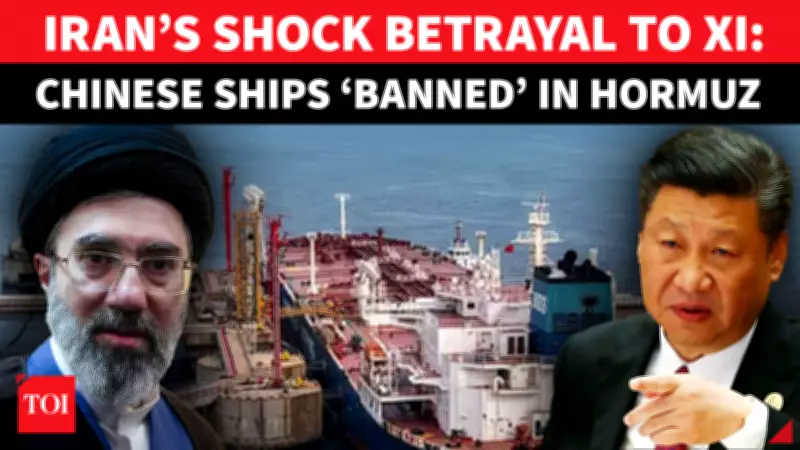
In a surprising geopolitical development, Iran has taken a hardline stance against a Chinese-owned cargo vessel in the critical Strait of Hormuz, exposing potential fractures in its alliance with Beijing. The Iranian consulate general in India confirmed that it blocked the bulk carrier SUN PROFIT—operated by Chinese nationals—from passing through the waterway, forcing it to change course and turn back.
Strategic Waterway Becomes Flashpoint
The Strait of Hormuz serves as one of the world's most vital maritime chokepoints, with approximately one-fifth of global oil shipments passing through its narrow waters. Iran's Islamic Revolutionary Guard Corps (IRGC) maintains significant control over this strategic passage, and their recent actions demonstrate their willingness to enforce restrictions regardless of diplomatic relationships.
This incident raises serious questions about whether Iran has betrayed China despite Beijing's extensive covert support during Iran's conflicts with the United States and Israel. Chinese diplomatic and economic backing has been crucial for Tehran in navigating international sanctions and regional tensions, making this maritime confrontation particularly noteworthy.

IRGC's 'Spare Nobody' Approach
The IRGC's naval forces have demonstrated an uncompromising approach to maritime security in the Persian Gulf region. Their recent enforcement actions against multiple vessels—including this Chinese-operated ship—highlight their operational independence and strategic priorities. This 'spare nobody' philosophy appears to extend even to traditional allies when Iranian national interests or security protocols are perceived to be at stake.
The timing of this incident is especially significant as it occurs amid escalating regional tensions and increased military posturing by various actors in the Middle East. Iran's willingness to confront a Chinese vessel suggests either calculated diplomatic signaling or genuine divergence in strategic objectives between the two nations.
Broader Geopolitical Implications
This development occurs against a backdrop of:
- Ongoing conflicts involving Iran, the United States, and Israel
- Increasing military activity in the Persian Gulf region
- Growing concerns about global shipping security
- Complex alliance dynamics in multipolar world politics
The Iranian consular statements shared on social media regarding the SUN PROFIT incident provide official confirmation of Tehran's assertive maritime policy. This public acknowledgment of actions against a Chinese vessel represents a notable departure from the typically discreet nature of Sino-Iranian cooperation.
As regional powers continue to navigate delicate diplomatic relationships while pursuing national security objectives, incidents like this blocking of a Chinese ship in the Strait of Hormuz reveal the underlying tensions that can surface even between seemingly aligned nations. The long-term implications for the Iran-China partnership remain uncertain, but this episode undoubtedly introduces new complexity to their strategic cooperation.