Iran's Parliament Speaker Takes Aim at US Over Energy Market Sentiment
In a sharp critique of Western economic policies, Iran's parliament speaker Mohammad Bagher Ghalibaf has directly challenged the United States, asserting that global energy pricing is increasingly being dictated by market sentiment rather than fundamental supply and demand factors. This warning comes as ongoing tensions around the strategic Strait of Hormuz continue to disrupt global supply chains and inject volatility into crude oil markets worldwide.
"Vibe-Trading" and Fragile Market Assumptions
In a detailed post on social media platform X, Ghalibaf launched a sophisticated critique of contemporary financial markets. He described what he termed "vibe-trading digital crude oil prices" as bearing striking resemblance to "vibe-hedging in Treasuries during Hormuz risk-off" scenarios. The Iranian official argued that both markets operate on what he characterized as fragile assumptions and psychological factors rather than concrete economic realities.
"Both share one house of cards that works on paper," Ghalibaf wrote, emphasizing his skepticism about the stability of current market structures. Drawing a pointed contrast between different financial instruments, he added: "Oil at least has Dated Brent. Treasuries? Vibes all the way down." The parliament speaker concluded his market analysis by referencing a specific Bloomberg Terminal command linked to benchmark crude pricing: "EUCRBRDT Index GP

Iranian Leadership Links Market Instability to Western Pressure
These comments represent a consistent theme in Iranian political discourse, with the country's leadership repeatedly connecting global market instability directly to Western pressure on Iran's oil exports. First vice president Mohammad Reza Aref reinforced this position, stating unequivocally that global fuel prices could only achieve meaningful stabilization if sanctions and military pressure on Iran were substantially lifted.
"One cannot restrict Iran's oil exports while expecting free security for others," Aref declared in his written statement. He issued a stark warning about the potential consequences of current policies: "The outcome will be either a free oil market for all, or the risk of significant costs for everyone." This binary framing underscores Iran's position that current tensions create lose-lose scenarios for all market participants.
Renewed Turbulence in Crude Markets
The Iranian officials' remarks coincide with renewed turbulence in global crude markets. Oil prices experienced significant jumps during early trading sessions following fresh disruptions in the Strait of Hormuz, a critical artery responsible for approximately one-fifth of global oil shipments. Tanker movements through this narrow passage have repeatedly stalled amid escalating confrontations between Iranian and United States naval forces.
Market data reveals the tangible impact of these geopolitical tensions:
- Brent crude climbed above $96 per barrel
- US benchmark West Texas Intermediate surged close to $90 per barrel
- Both benchmarks reflected heightened supply fears among traders and analysts
Maritime Incidents and Diplomatic Fallout
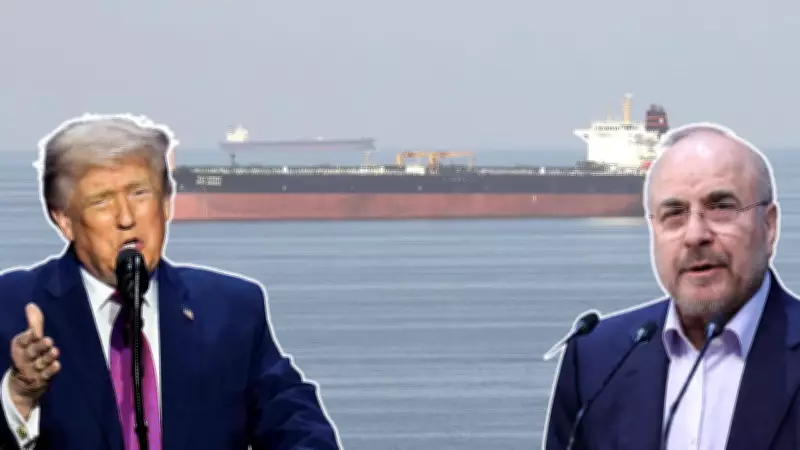
The current escalation follows a series of concerning maritime incidents that have further strained regional stability. Most notably, United States forces reportedly seized an Iranian-flagged vessel in the Gulf of Oman, an action that has sparked diplomatic controversy and threats of retaliation.
Former US President Donald Trump stated that the vessel had ignored multiple warnings before being intercepted, while Iranian authorities described the action as "piracy" and vowed to respond appropriately. This episode has placed additional stress on an already fragile ceasefire framework and cast serious doubt over planned diplomatic talks between the involved parties.

The convergence of market volatility, geopolitical tensions, and diplomatic stalemate creates a complex scenario with significant implications for global energy security. As Iranian officials continue to frame market instability as a direct consequence of Western policies, the international community faces mounting pressure to address both the immediate supply disruptions and the underlying political conflicts driving them.