Iran's Diplomat Issues Stark Warning to US Over Potential Ground Invasion
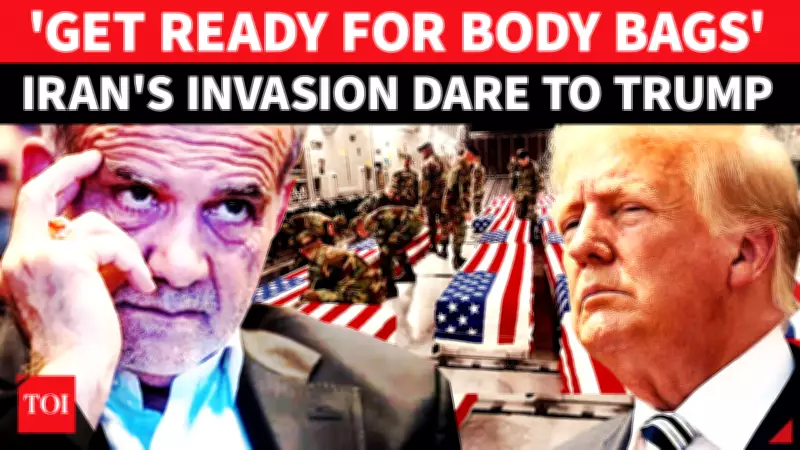
In a dramatic escalation of rhetoric, Iran's ambassador to South Korea, Saeed Koozechi, has issued a chilling warning to the United States regarding the possibility of a ground invasion. Speaking at the Iranian Embassy in Seoul, Koozechi declared that "many coffins would return to the U.S." if American military forces were to set foot on Iranian territory. This statement underscores the heightened tensions between Tehran and Washington, reflecting Iran's firm stance against perceived external aggression.
Diplomatic Justification and Accusations Against US and Israel
Ambassador Koozechi defended Iran's recent military actions by invoking international law, specifically citing Article 51 of the United Nations Charter, which grants nations the right to self-defense. He emphasized that Iran is exercising this right in response to what he described as illegal aggression launched by the United States and Israel. According to Koozechi, Tehran's strikes on Gulf states that host US military bases are a direct consequence of this aggression, aimed at protecting Iranian sovereignty and interests.
Furthermore, the diplomat insisted that diplomatic efforts had been ongoing prior to these attacks, suggesting that Iran had pursued peaceful resolutions before resorting to military measures. This claim highlights the complex geopolitical dynamics at play, where diplomatic channels are often intertwined with military posturing in the volatile Middle East region.

Context of Escalating Regional Tensions
The warning from Iran's ambassador comes amid a backdrop of increasing hostilities and military engagements in the region. Recent reports have detailed various incidents, including Iranian missile strikes and confrontations with US-backed forces, which have contributed to a climate of uncertainty and fear. For instance, there have been accounts of Iranian forces targeting CIA-backed gunmen along the Iran-Iraq border and launching attacks on Israeli territories, as well as incidents involving US assets in the Gulf.
These events have not only strained US-Iran relations but have also impacted regional allies and global powers. The mention of NATO divisions and criticisms from European leaders, such as Macron, over US actions in Iran, indicates broader international concerns about the conflict's legality and potential consequences. The economic toll, including significant financial losses for the US due to destroyed military equipment, adds another layer of complexity to the situation.
Implications for US Foreign Policy and Regional Stability
The stark warning from Ambassador Koozechi serves as a clear message to US policymakers about the potential human cost of any military intervention in Iran. It reflects Iran's determination to resist foreign invasion and its readiness to inflict heavy casualties in defense of its territory. This stance could influence US strategic decisions, potentially leading to more cautious approaches or intensified diplomatic efforts to de-escalate tensions.
Moreover, the involvement of other actors, such as Hezbollah joining Iran in retaliatory actions against Israel, suggests that the conflict could widen, affecting multiple countries in the Middle East. The regional stability is at risk, with millions of civilians, as seen in Israeli cities like Tel Aviv and Jerusalem, forced to seek shelter during missile attacks. The international community, including organizations like the United Nations, may face increased pressure to mediate and prevent further escalation.
In summary, Iran's diplomatic warning through its ambassador in South Korea highlights the severe risks associated with a potential US ground invasion. By invoking self-defense under international law and pointing to prior diplomatic efforts, Tehran aims to justify its actions while issuing a grim prediction of American casualties. As tensions continue to mount, the world watches closely, hoping for a peaceful resolution to avoid the dire outcomes hinted at in this stark message.