Iranian Foreign Minister Clarifies Strait of Hormuz Access After US Airstrikes
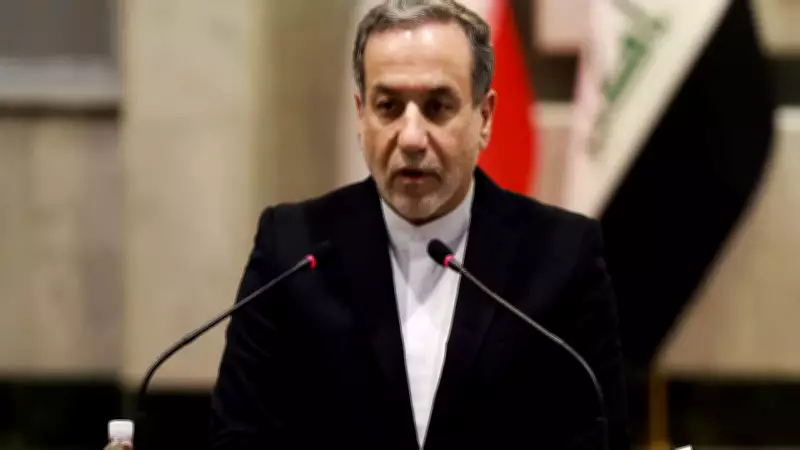
In a significant development following recent US military actions, Iranian Foreign Minister Abbas Araghchi declared on Saturday that the Strait of Hormuz remains accessible to all nations, with the exception of what he termed as "enemies"—specifically the United States and Israel. This statement comes in the wake of US airstrikes targeting Iran's Kharg Island oil hub, a key facility in the region's energy infrastructure.
Exclusive Access Restrictions and Security Concerns
Araghchi emphasized that the strategic waterway is only closed to tankers and ships belonging to countries attacking Iran and their allies. In an interview with MS NOW, as reported by the New York Post, he clarified, "And I can say that the Strait is not closed, but it is only closed to American, Israeli, you know, ships and tankers, and not to others." He acknowledged that many vessels are opting to avoid the route due to heightened security fears, but he firmly attributed this reluctance to external factors, stating, "this has nothing to do with us."
Criticism of US Regional Security Role
Further escalating the diplomatic rhetoric, Araghchi took to social media platform X to lambast the United States' security assurances in the area. He asserted that the "touted U.S. security umbrella has proven to be full of holes and inviting rather than deterring trouble." Additionally, he called on neighboring nations to expel foreign aggressors, highlighting that their primary concern revolves around Israel. Araghchi pointed out that the US is now seeking assistance from other countries, including China, to ensure the safety of the Hormuz Strait.

US Response and International Mobilization
In response to the escalating tensions, former US President Donald Trump issued a call to action on Truth Social, urging nations reliant on oil shipments through the Strait to deploy warships for its protection. Trump stated, "The countries of the World that receive Oil through the Hormuz Strait must take care of that passage, and we will help — A LOT!" He expressed optimism that countries such as China, France, Japan, South Korea, and Britain would contribute naval assets to maintain open and secure passage. Trump also warned of aggressive US measures, including bombing shorelines and intercepting Iranian vessels, while offering to escort ships through the volatile region.
Global Oil Transit and Regional Implications
The Strait of Hormuz is a critical chokepoint for global energy supplies, with approximately one-fifth of the world's oil and liquefied natural gas typically traversing this narrow passage between Iran and Oman. Iran's potential to block this channel grants it considerable leverage over the US and allied nations, making the current situation a focal point of international concern. Despite the heightened tensions, reports from Reuters indicate that two Indian-flagged tankers carrying liquefied petroleum gas have successfully navigated the Strait, underscoring the ongoing, albeit risky, maritime activity.
This unfolding scenario highlights the complex geopolitical dynamics at play, with Iran asserting its sovereignty and the US mobilizing international support to safeguard vital shipping lanes. The situation remains fluid, with implications for global energy markets and regional stability.