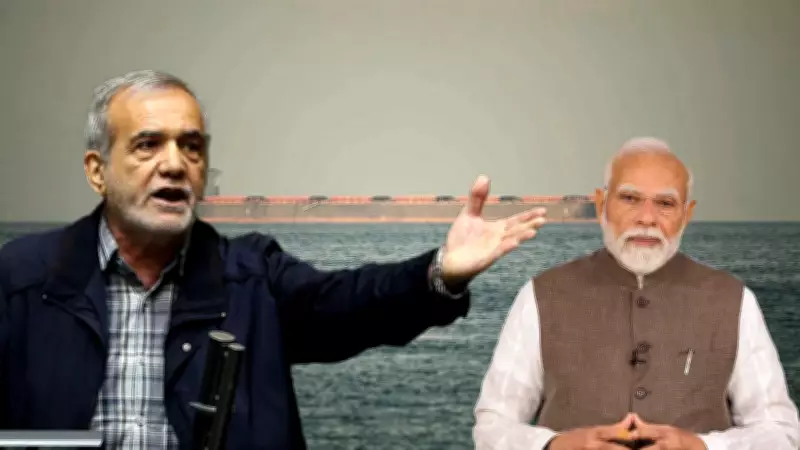
Iran Proposes Tanker Release Deal for Hormuz Safe Passage Amid Gulf Crisis
In a significant diplomatic move amid escalating tensions in the Gulf region, Iran has reportedly approached India with a proposal to secure the release of three seized oil tankers. According to a Reuters report citing informed sources, Tehran has offered to guarantee safe passage for India-bound vessels through the strategically vital Strait of Hormuz in exchange for the return of the detained ships.
Diplomatic Engagement and Regional Tensions
The Iranian ambassador to India recently held meetings with officials from the Indian Ministry of External Affairs to formally present this proposal. The discussions focused on resolving the impasse surrounding the three tankers—identified as Stellar Ruby, Asphalt Star, and Al Jafzia—which were intercepted by Indian authorities off the coast of Mumbai in February 2026.
These vessels were seized on allegations of carrying sanctioned Iranian oil linked to illicit trade activities. Indian investigative agencies continue to examine the case, with the tankers remaining under detention as part of an ongoing probe into potential violations of international sanctions.

Strategic Implications of the Strait of Hormuz
The Strait of Hormuz represents one of the world's most critical maritime chokepoints for global oil transportation. Approximately one-fifth of the world's petroleum passes through this narrow waterway, making it essential for energy shipments to numerous countries, including India. The current Gulf crisis, triggered by recent attacks on Iran by the United States and Israel, has heightened concerns about the security of this vital passage.
Iran's proposal directly links the fate of the seized tankers to the safety of maritime operations in this strategically sensitive region. The offer underscores Tehran's leverage over one of the world's most important shipping lanes amid ongoing regional hostilities.
Investigative Status and Official Responses
Indian authorities have maintained that the three tankers were lawfully intercepted based on credible intelligence regarding their cargo. The investigation focuses on determining whether the vessels were indeed transporting Iranian oil in violation of international sanctions regimes.
Neither the Indian nor Iranian governments have issued official statements regarding the reported proposal. Diplomatic sources indicate that discussions remain at a preliminary stage, with no formal agreement reached between the two nations. The absence of public commentary from either side suggests the sensitive nature of these negotiations amid broader geopolitical tensions.
Broader Context of Regional Energy Security
The Gulf crisis has created significant disruptions to global energy markets and maritime operations. Shipping companies have reported increased insurance premiums and operational challenges when navigating through the region. For India, which relies heavily on imported oil to meet its energy needs, ensuring the security of supply routes through the Strait of Hormuz represents a critical national interest.
The reported proposal comes at a time when multiple nations are reassessing their energy security strategies in response to the volatile situation in the Gulf. The outcome of these India-Iran discussions could potentially influence broader regional dynamics and set precedents for how maritime disputes are resolved during periods of heightened tension.
As investigations into the seized tankers continue and diplomatic channels remain active, the international community watches closely for developments that might impact global energy flows and regional stability in one of the world's most strategically important waterways.