

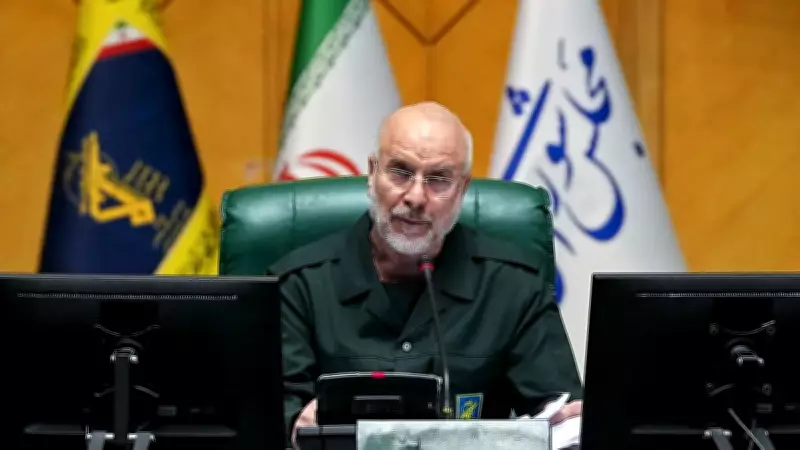
Iran's Top Lawmaker Rejects Trump's Negotiation Claims as 'Fake News'
In a strong rebuttal, Iran's Parliament Speaker Mohammad Bagher Ghalibaf has categorically dismissed recent claims by former US President Donald Trump regarding negotiations between the two nations. Ghalibaf labeled these assertions as "fake news," accusing them of being a deliberate attempt to manipulate global financial and oil markets.
Ghalibaf's Firm Denial of Alleged Talks
Mohammad Bagher Ghalibaf, a prominent figure in Iranian politics and the current Speaker of the Parliament, issued a statement refuting Trump's claims. He emphasized that no such negotiations have taken place or are planned, characterizing the reports as baseless and fabricated. Ghalibaf stressed that Iran remains committed to its sovereign policies and does not engage in discussions under false pretenses.
The Iranian official argued that the timing and nature of these claims suggest a calculated move to influence international markets. By spreading misinformation, certain parties aim to create volatility in oil prices and financial sectors, potentially benefiting from the ensuing chaos. Ghalibaf warned against such tactics, urging global stakeholders to verify information from credible sources.

Context of Trump's Statements and Market Implications
Former President Donald Trump, known for his unpredictable foreign policy approach during his tenure, reportedly made comments hinting at backchannel negotiations with Iran. These remarks surfaced amidst ongoing tensions in the Middle East and fluctuating oil markets. Analysts note that any hint of diplomatic engagement between the US and Iran can significantly impact global oil prices, given Iran's substantial reserves and geopolitical influence.
Ghalibaf's rejection underscores the deep-seated mistrust between Tehran and Washington, exacerbated by years of sanctions and political strife. The Speaker highlighted that Iran will not be swayed by such disinformation campaigns, reaffirming the nation's stance on independent decision-making. This incident reflects broader patterns of using media narratives to sway economic conditions, a tactic observed in various international conflicts.
Broader Impact on Iran-US Relations and Global Economy
The dismissal by Iran's Speaker adds another layer of complexity to the already strained Iran-US relationship. Since the US withdrawal from the Iran nuclear deal in 2018, diplomatic channels have been largely frozen, with both sides engaging in rhetorical battles. Ghalibaf's statement signals Iran's unwillingness to entertain false narratives, which could further hinder any potential future dialogues.
From an economic perspective, the manipulation of news to affect oil markets is a serious concern. Oil prices are highly sensitive to geopolitical developments, and fabricated reports can lead to:
- Unnecessary market volatility
- Investor uncertainty
- Disruption in global supply chains
Ghalibaf called for increased vigilance among international bodies to combat such misinformation, emphasizing the need for transparency in global affairs. As the situation unfolds, observers will monitor how this exchange influences both diplomatic ties and economic stability in the region.






