Iran Rejects Islamabad Talks, Demands End to US Naval Blockade First
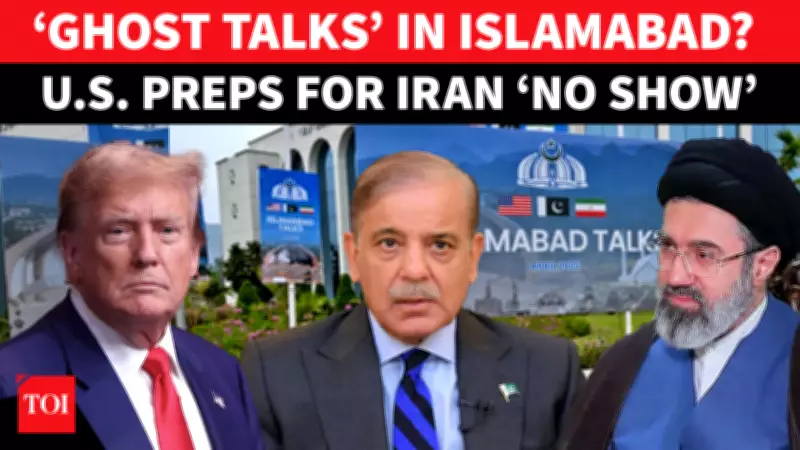
Fresh negotiations between the United States and Iran in Islamabad are facing significant uncertainty even before they are set to begin. According to recent Iranian media reports, Tehran has not yet decided to send a delegation to the talks, directly linking its participation to the removal of the US naval blockade in the Strait of Hormuz.
Iranian Officials Cite Violations and Pressure
Iranian officials have strongly criticized the restrictions imposed by the United States in the Strait of Hormuz, labeling them as a clear violation of international norms. They argue that meaningful and productive negotiations cannot take place while such military and economic pressure continues at sea. This stance creates a complex diplomatic paradox where talks are formally scheduled on the calendar, but one of the key parties may ultimately choose not to attend.
The situation represents a major diplomatic setback for the United States, particularly under the current administration led by President Trump. The rejection by Iran is seen as a significant embarrassment, highlighting the challenges in fostering dialogue amid escalating tensions. The Iranian position underscores a firm demand for the lifting of the naval blockade as a precondition for any substantive discussions.

Background and Broader Implications
The Strait of Hormuz is a critical strategic chokepoint for global oil shipments, and the US naval presence there has been a point of contention for years. Iran's refusal to engage in talks without the removal of these restrictions reflects its broader strategy of resisting what it perceives as coercive tactics by the United States. This development comes amid a series of recent incidents in the region, including military confrontations and heightened alerts among US troops stationed in the Gulf.
As the diplomatic standoff continues, the international community watches closely, aware that the outcome could have far-reaching consequences for regional stability and global energy markets. The uncertainty surrounding the Islamabad talks adds another layer of complexity to the already tense US-Iran relations, with potential implications for future conflict resolution efforts.