

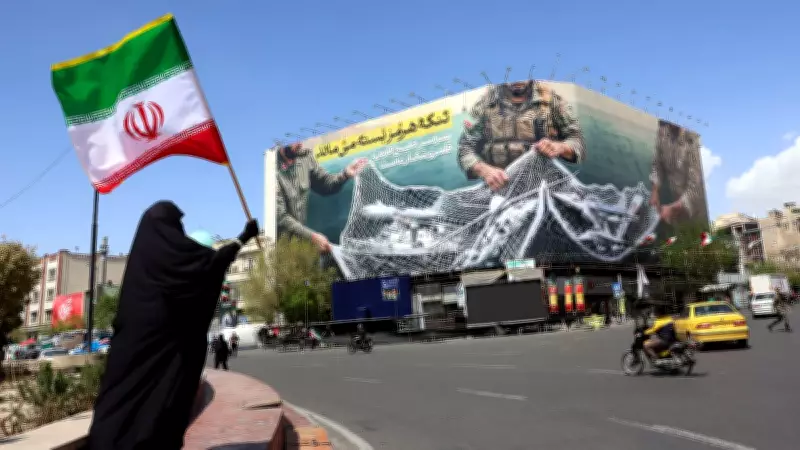
Iran Evokes Operation Eagle Claw in Retort to Trump's Threatening Remarks
In a pointed response to a recent fiery threat from former United States President Donald Trump, Iranian officials have invoked a significant historical event: the failed 1980 US military mission known as Operation Eagle Claw. This move underscores the deep-seated tensions and historical grievances that continue to shape the complex relationship between Iran and the United States.
Trump's Provocative Statement Sparks Diplomatic Reaction
Donald Trump, known for his blunt and often confrontational rhetoric, issued a stark warning directed at Iran during a public address. While the exact wording of his threat has not been fully detailed in this context, it was characterized as aggressive and reminiscent of his previous hardline stance towards the Islamic Republic during his presidency from 2017 to 2021.
This statement quickly reverberated through diplomatic channels, prompting an immediate and calculated response from Tehran. Iranian authorities did not take the threat lightly, choosing to frame their reply within the broader narrative of US military failures in the region.

Operation Eagle Claw: A Historical Reference Point
Operation Eagle Claw, launched in April 1980 under President Jimmy Carter, was a daring and ultimately disastrous attempt by the United States to rescue 52 American diplomats and citizens held hostage in the US Embassy in Tehran. The mission ended in catastrophic failure in the Iranian desert, resulting in the deaths of eight US service members and the destruction of several aircraft.
For Iran, this event is a symbol of American military overreach and fallibility. By referencing it now, Iranian officials are sending a clear message: they perceive Trump's threats as part of a pattern of US aggression that has historically not succeeded. The invocation serves as a reminder of the potential costs and risks associated with military confrontation.
Analyzing Iran's Strategic Communication
This reference to Operation Eagle Claw is not merely a historical footnote; it is a deliberate piece of strategic communication. Analysts suggest that Iran aims to achieve several objectives with this move:
- Domestic Cohesion: Rallying domestic support by portraying the nation as resilient against foreign threats.
- International Messaging: Signaling to the global community, and particularly to US allies, that Iran views such threats as reckless and rooted in a flawed historical approach.
- Deterrence: Implicitly warning that any future US military action could face similar complexities and potential failure, thereby discouraging escalation.
The timing is also significant, coming amidst ongoing regional instability and negotiations concerning Iran's nuclear program. It reinforces Iran's narrative of being a nation under constant pressure from Western powers.
Broader Implications for US-Iran Relations
The exchange highlights the persistently fragile state of relations between Washington and Tehran. Historical events like Operation Eagle Claw continue to cast a long shadow over diplomatic interactions. Trump's re-emergence into the political spotlight with such rhetoric suggests that the confrontational policies of his administration could resurface, potentially derailing any current or future diplomatic efforts.
For the current US administration, Iran's response presents a challenge. It must navigate between addressing provocative statements from a former president and maintaining a coherent foreign policy strategy towards a key adversary in the Middle East.
Experts warn that this war of words, steeped in historical allusion, risks increasing miscalculation and could inadvertently heighten military tensions in an already volatile region. The ghost of Operation Eagle Claw serves as a potent reminder of how quickly such situations can escalate into tangible conflict.






