Iran's Foreign Minister Affirms Readiness for Diplomatic Engagement Based on Mutual Respect
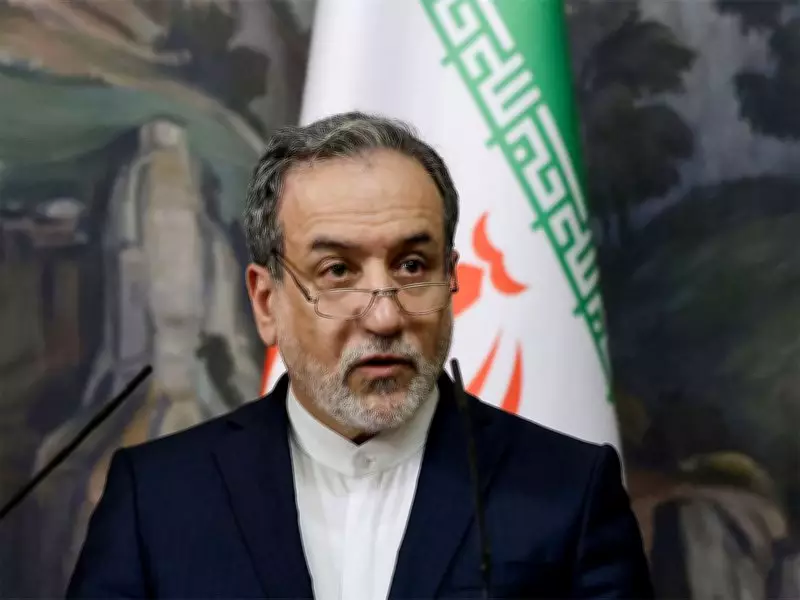
In a significant statement regarding Iran's foreign policy stance, Foreign Minister Abbas Araqchi has declared that Tehran is open to participating in diplomatic talks. However, he emphasized that any such discussions must be founded on the principle of mutual respect between nations. This announcement comes at a time when Iran is navigating complex international relations, particularly with Western powers and regional neighbors.
Rejection of Pressure Diplomacy in International Affairs
Araqchi firmly rejected what he termed as "pressure diplomacy," a tactic he described as attempts by other countries to coerce Iran into concessions through sanctions or threats. He argued that such approaches are counterproductive and undermine the potential for genuine dialogue and cooperation. The foreign minister highlighted that Iran's sovereignty and national interests are non-negotiable, and any talks must acknowledge this fundamental aspect.
This stance reflects Iran's long-standing position in global diplomacy, where it has often resisted external pressures while seeking to maintain its strategic autonomy. Araqchi's comments suggest that Iran is willing to engage constructively, but only under conditions that respect its dignity and rights as a sovereign state.

Context and Implications for Regional and Global Relations
The statement by Iran's foreign minister is particularly relevant in the current geopolitical landscape, where tensions have been high over issues such as nuclear agreements, regional conflicts, and economic sanctions. By expressing readiness for talks based on mutual respect, Iran may be signaling a desire to de-escalate tensions and find diplomatic solutions to ongoing disputes.
However, the rejection of pressure diplomacy indicates that Iran will not easily yield to demands from other nations, potentially setting the stage for challenging negotiations ahead. This approach could impact relations with countries like the United States, European Union members, and Middle Eastern states, all of which have vested interests in Iran's policies.
- Iran's commitment to diplomatic engagement without preconditions.
- The importance of mutual respect as a cornerstone for international talks.
- Firm opposition to coercive tactics in foreign relations.
Overall, Araqchi's remarks underscore Iran's determination to pursue a foreign policy that balances openness to dialogue with a steadfast defense of its principles. As the international community watches closely, this stance could influence future diplomatic efforts and regional stability.