Iran Proposes Free Passage Through Omani Side of Strait of Hormuz Amid Peace Talks
The strategic Strait of Hormuz, a vital maritime corridor through which approximately one-fifth of the world's oil and liquefied natural gas typically flows, has emerged as a central flashpoint in the escalating conflict between the United States and Iran. Global markets are closely monitoring the situation, with significant implications for energy supplies and international trade.
Iran's Proposal for Free Passage
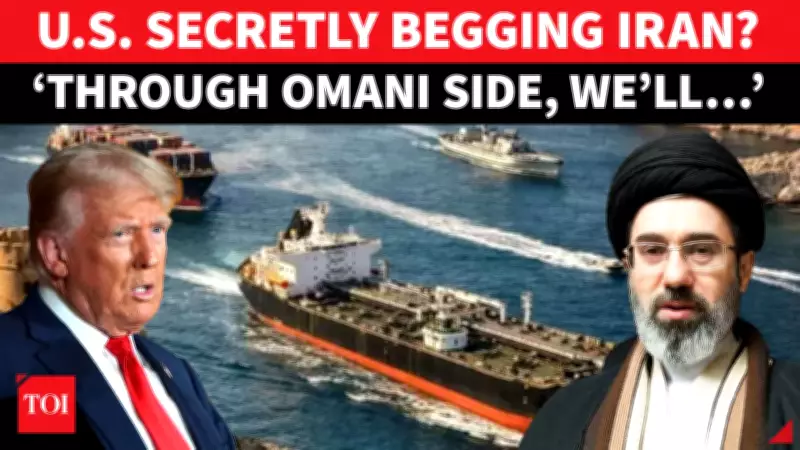
In a significant development, Iran has put forward a proposal to allow ships to sail freely along the Omani side of the Strait of Hormuz. This offer is contingent upon broader negotiated peace agreements with the United States, aiming to de-escalate tensions that have threatened to disrupt one of the world's most crucial shipping lanes.
The Strait of Hormuz serves as a chokepoint for global energy markets, with its closure potentially triggering widespread economic repercussions. Iran's initial decision to close the strait to most international traffic at the onset of the conflict had raised alarms worldwide, highlighting the region's geopolitical sensitivity.

Context of the US-Iran Conflict
The proposal comes amid heightened hostilities, with recent statements from Iranian officials warning of aggressive actions against US warships if the blockade continues. This has created a volatile environment where diplomatic efforts are crucial to prevent further escalation.
Key factors influencing the negotiations include:
- The strategic importance of the Strait of Hormuz for global oil shipments.
- Iran's leverage in the region as a key player controlling access to the waterway.
- International pressure to maintain open sea lanes for energy security.
Implications for Global Markets
If implemented, Iran's proposal could provide a temporary respite for shipping operations, allowing vessels to navigate the Omani side without interference. However, this is tied to successful peace talks, underscoring the interconnected nature of diplomacy and economic stability in the region.
Experts warn that any disruption in the Strait of Hormuz could lead to:
- Spikes in global oil prices due to supply constraints.
- Increased insurance costs for shipping companies operating in the area.
- Potential rerouting of vessels, adding time and expense to trade routes.
The situation remains fluid, with ongoing discussions between Iran and the United States likely to shape the future of maritime security in the Persian Gulf. Stakeholders, including Oman and other regional powers, are closely involved in facilitating dialogue to ensure safe passage and mitigate risks to international commerce.