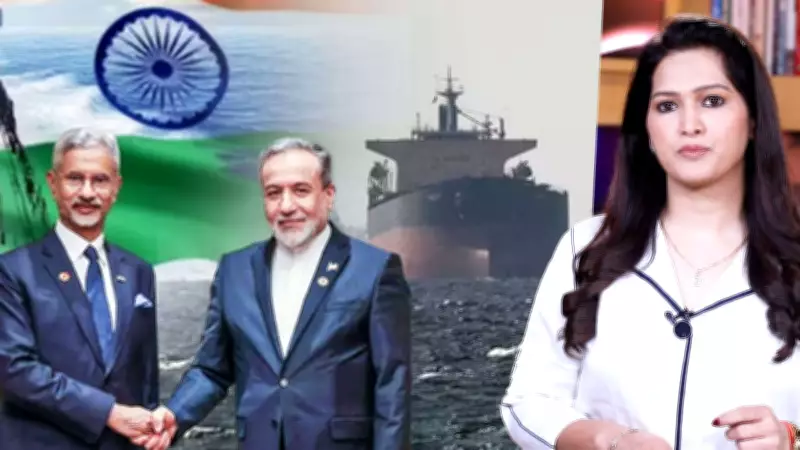
Iran Denies Special Passage for Indian Oil Tankers in Strait of Hormuz
Amid escalating tensions in West Asia, Iran has categorically denied recent reports suggesting it provided special access for Indian-flagged oil tankers through the strategically vital Strait of Hormuz. The clarification from Tehran comes directly after high-level diplomatic discussions between India's External Affairs Minister S. Jaishankar and Iran's Foreign Minister Abbas Araghchi regarding the rapidly evolving regional crisis.
Speculation and Official Refutation
Speculation had emerged in various media circles claiming that Iranian authorities had permitted Indian vessels, specifically named as Pushpak and Parimal, to cross the Strait of Hormuz safely while imposing restrictions on ships linked to Western nations. However, Iranian officials have firmly labeled these reports as incorrect and baseless, emphasizing that no special arrangements or preferential treatment exist for Indian maritime traffic. The Iranian government has reiterated that all vessels must adhere to standard international protocols and regulations when navigating through these contested waters.
Geopolitical and Economic Implications
The Strait of Hormuz remains one of the most critical maritime chokepoints globally, facilitating the transit of nearly twenty percent of the world's total oil supplies. Recent developments have seen a noticeable decline in shipping traffic through the region, coupled with a corresponding surge in global oil prices. This situation places significant pressure on energy-importing nations like India, which must meticulously balance diplomatic relations with energy security imperatives.

India has consistently advocated for restraint and stability in the region, recognizing the potential for broader economic disruptions. The Indian government's approach involves maintaining open channels of communication with all relevant stakeholders while safeguarding its national interests. The denial from Iran underscores the complex and often volatile nature of maritime security in West Asia, where misinformation can quickly influence market sentiments and diplomatic postures.
Broader Regional Context
The ongoing regional crisis has heightened sensitivities around maritime freedoms and energy corridors. India's diplomatic engagements with Iran are part of a broader strategy to ensure uninterrupted energy flows and promote peaceful resolutions to conflicts. The swift refutation of the tanker reports by Tehran highlights the importance of verified information in such tense environments, where speculative claims can exacerbate existing frictions.
As the situation continues to develop, international observers are closely monitoring the Strait of Hormuz for any signs of further disruptions. The interplay between geopolitical maneuvering and economic necessities will likely shape the responses of key players, including India and Iran, in the coming weeks.