In a firm diplomatic clarification, the Iranian government has categorically denied recent media reports suggesting the arrest of Indian nationals during the ongoing internal unrest within the country. The strong rebuttal came directly from Iran's Ambassador to India, Mohammad Fathali, who labeled the circulating information as completely baseless.
Ambassador's Direct Refutation of Allegations
Ambassador Mohammad Fathali addressed the matter head-on, stating that the news was "totally false" and lacked any factual foundation. He emphasized that there was no truth to the claims of Indian citizens being detained in connection with the recent protests and civil disturbances in Iran. This direct statement from the top diplomatic representative in New Delhi aims to quell any concerns within India regarding the safety and legal status of its citizens residing in or visiting Iran.
The ambassador's comments serve as an official communication from the Iranian government, seeking to correct the narrative and prevent any potential strain on bilateral relations that might arise from misinformation. The clarification underscores the importance both nations place on maintaining clear channels of communication, especially concerning the welfare of each other's citizens.

Context of the Reports and Regional Unrest
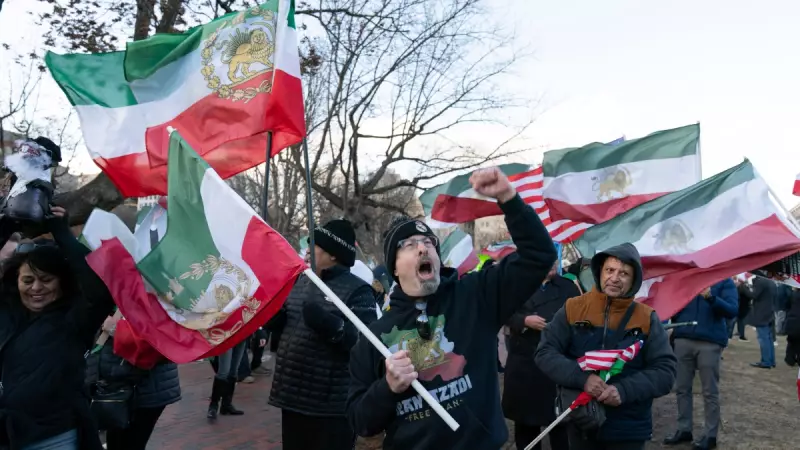
The denial follows a period of significant social and political turbulence within Iran. The nation has witnessed widespread protests triggered by various socio-economic and political factors. International media coverage of these events has been extensive, sometimes including unverified reports about the involvement or detention of foreign nationals.
In such a sensitive environment, the report concerning Indian nationals had gained traction, causing anxiety among the Indian community. India and Iran share longstanding historical and economic ties, with a significant number of Indian professionals, students, and traders living in Iran. The well-being of this diaspora is a constant priority for the Indian Ministry of External Affairs.
Diplomatic Implications and Next Steps
This incident highlights the critical role of official sources in verifying news during international crises. Ambassador Fathali's prompt denial is seen as a diplomatic move to ensure that bilateral relations remain unaffected by unconfirmed stories. It also reflects the ongoing diplomatic engagement between New Delhi and Tehran on consular and community issues.
For Indian citizens in Iran or those planning travel, the advice from authorities typically remains to stay vigilant, follow local laws, and register with the Indian embassy for updates. The Ministry of External Affairs in India generally monitors such situations closely and issues advisories when necessary. The swift clarification from the Iranian side may alleviate immediate concerns, but it also reinforces the need for travelers to rely on official government channels for accurate information during overseas unrest.
The episode concludes with a reinforced official stance from Tehran: no Indians have been arrested in the recent events. This allows the diplomatic focus to return to broader bilateral matters, while underscoring the importance of fact-checking in the age of rapid information spread.