Iran Issues Ultimatum to United States Ahead of Critical Nuclear Negotiations
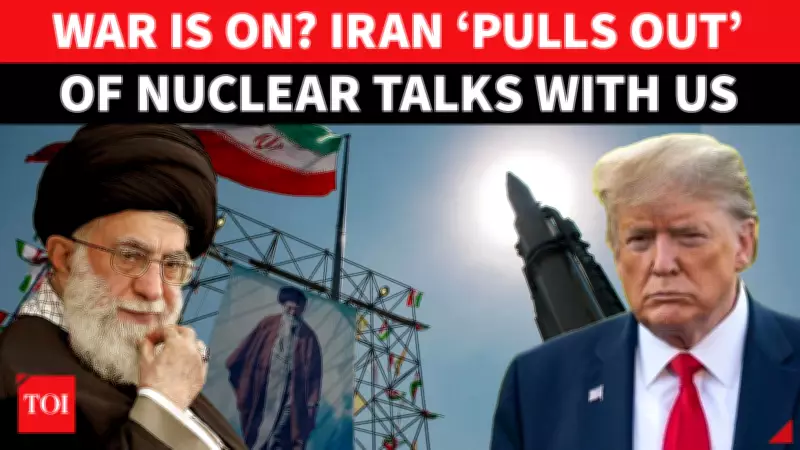
Iran has established uncompromising nuclear red lines as high-stakes diplomatic talks with the United States approach, creating significant uncertainty about whether negotiations will proceed at all. The Islamic Republic has explicitly rejected any proposal to transfer enriched uranium abroad and signaled it will not repeat concessions made under the 2015 nuclear agreement.
Supreme Leader's Adviser Dismisses Russian Proposal, Demands US Compensation
Ali Shamkhani, a key adviser to Supreme Leader Ayatollah Ali Khamenei, has categorically dismissed Russia's offer to take custody of Iran's uranium stockpile. In a significant statement, Shamkhani insisted Tehran does not seek nuclear weapons but warned Washington must "pay a price" for Iranian restraint in its nuclear program.
This demand for compensation represents a major shift in Iran's negotiating position and creates substantial obstacles for diplomatic progress. Shamkhani's remarks underscore Tehran's hardened stance as it prepares for what could be decisive talks with American officials.

Iran Links Any US Strike to Israel, Vows Proportional Military Response
In parallel developments, Iranian authorities have issued stark warnings connecting any potential United States military action to Israel. Tehran has vowed a proportional response to any strike, significantly raising regional tensions as diplomatic efforts continue.
This explicit linkage between US actions and Israeli security concerns adds another layer of complexity to already fragile negotiations. The warning suggests Iran views potential military confrontations through a broader regional lens rather than as isolated incidents.
Mixed Signals from Iranian Leadership Create Diplomatic Uncertainty
While President Masoud Pezeshkian has signaled openness to fair negotiations, threats from other Iranian officials to abandon talks altogether have created conflicting messages. The uncertainty extends to practical matters, with questions remaining about whether a venue has been agreed upon for potential discussions.
This diplomatic ambiguity raises serious doubts about whether substantive negotiations will occur. The combination of firm red lines, compensation demands, and military warnings suggests Iran is approaching talks from a position of strength rather than compromise.
Regional Implications and International Reactions
The developing situation has significant implications for Middle East stability and international non-proliferation efforts. Iran's refusal to transfer uranium abroad represents a direct challenge to verification mechanisms that were central to the 2015 agreement.
As diplomatic tensions escalate, regional powers are closely monitoring developments. The potential for miscalculation remains high given the interconnected nature of security concerns involving multiple nations in the volatile Middle East region.