Iran Clarifies Strait of Hormuz Policy, Easing Concerns for India
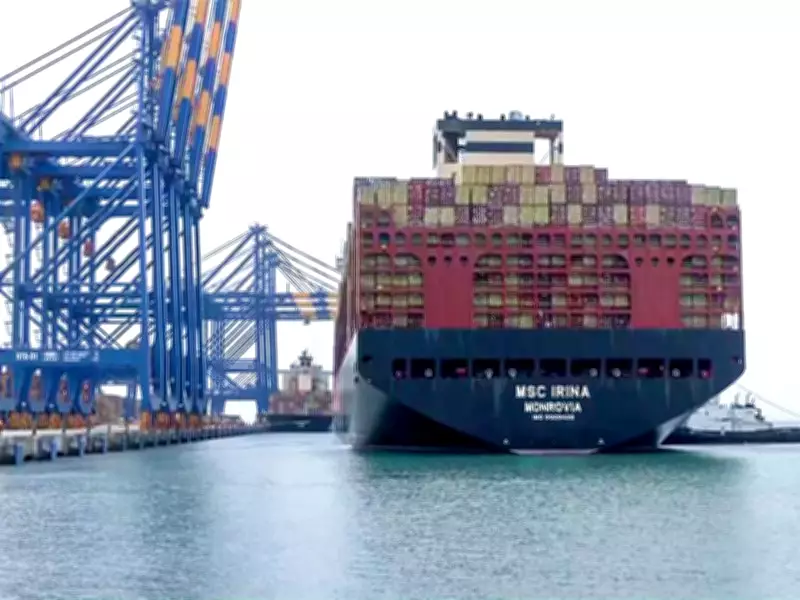
In a significant development that brings relief to India and other nations, Iran has officially clarified its stance on the strategic Strait of Hormuz. The Iranian Foreign Ministry has stated that the vital waterway will remain accessible to all countries, with restrictions applying only to vessels affiliated with the United States and its allies. This announcement comes amid heightened regional tensions and potential disruptions to global trade routes.
Background and Context of the Announcement
The Strait of Hormuz is a crucial maritime chokepoint, accounting for approximately one-fifth of the world's oil shipments. Any closure or restriction of this passage could have severe repercussions for global energy markets and economies heavily reliant on oil imports, including India. Recent escalations in the Middle East had raised fears of a broader conflict, prompting Iran to issue this clarification to prevent misunderstandings and maintain stability.
Iran's Foreign Ministry emphasized that its policy is not aimed at disrupting international trade but is a targeted measure against specific nations. This distinction is vital for countries like India, which imports a substantial portion of its oil from the region and depends on the strait for secure and uninterrupted supply chains.

Implications for India's Energy Security and Economy
India, as one of the world's largest oil importers, views this clarification as a positive step. The country sources a significant share of its crude oil from Middle Eastern nations, with shipments often passing through the Strait of Hormuz. A closure or severe restriction could have led to supply shortages, price volatility, and economic strain.
The assurance from Iran helps mitigate these risks, providing a degree of predictability for India's energy planning and trade operations. It also underscores the importance of diplomatic engagements in de-escalating regional conflicts and safeguarding global economic interests.
Regional and Global Reactions
The announcement has been met with cautious optimism by international observers. While it reduces immediate threats to maritime traffic, concerns persist about the broader geopolitical landscape. Key points include:
- The need for continued dialogue to prevent further escalations.
- The potential impact on global oil prices and supply chains.
- The role of diplomatic channels in resolving disputes.
Iran's statement is seen as an effort to balance its strategic interests with the necessity of maintaining functional trade routes. For India, this development reinforces the importance of diversifying energy sources and strengthening bilateral ties with regional players to ensure long-term security.
Looking Ahead: Challenges and Opportunities
Despite the relief, challenges remain. The situation in the Middle East is fluid, and any further provocations could alter the current status. India and other nations must remain vigilant and proactive in their diplomatic and economic strategies.
Opportunities for enhanced cooperation on energy security and trade facilitation may emerge from this episode. By engaging constructively with all stakeholders, countries can work towards a more stable and predictable regional environment.