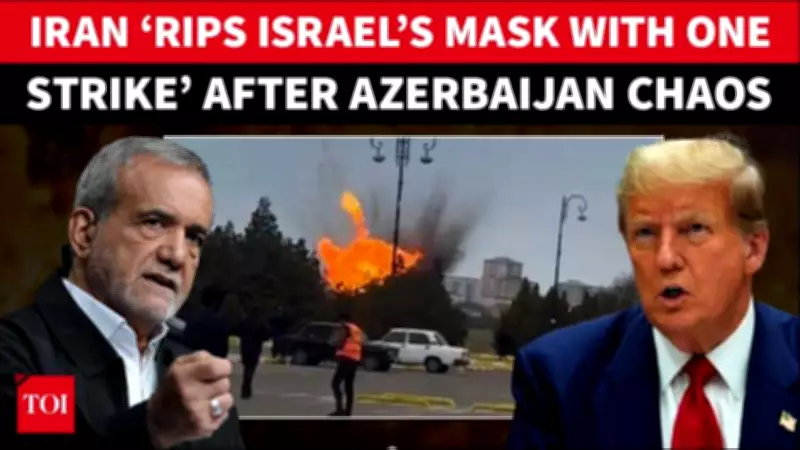
Iranian Diplomat Alleges Israeli 'Psychological War' Targeting Gulf Nations
In a startling diplomatic statement, Iran's ambassador to Russia has accused Israel of engaging in what he termed a "psychological warfare" campaign against Gulf nations, potentially aimed at escalating the already volatile Middle East conflict. This accusation comes amidst a series of drone attacks in the region that have raised international tensions.
Iran Denies Involvement in Recent Drone Attacks
The Iranian regime has firmly denied any involvement in recent drone attacks targeting Gulf nations, including NATO member Azerbaijan. These denials follow direct accusations from Azerbaijan that Tehran was responsible for carrying out drone strikes on its territory. Iranian officials have consistently rejected these allegations, maintaining their position of non-involvement in such operations.
Ambassador Jalali's Psychological Warfare Claim
Iranian Ambassador to Russia Kazem Jalali described the current situation as part of a calculated psychological warfare campaign orchestrated by Israel. According to Jalali, this campaign is designed to advance Israeli interests in the region by creating instability and conflict among Gulf nations. The ambassador's statement represents a significant escalation in diplomatic rhetoric between the two regional adversaries.

Previous Accusations Against Israeli Intelligence
This latest accusation follows previous claims from Iranian military officials who alleged that Israel's intelligence agency Mossad was responsible for drone strikes on the Aramco oil refinery in Ras Tanura just last week. These repeated accusations suggest a pattern of Iranian officials attributing regional destabilization efforts to Israeli covert operations.
Regional Implications and Tensions
The exchange of accusations comes at a particularly sensitive time for Middle East relations, with multiple nations in the region already experiencing heightened military tensions. The psychological warfare allegation adds a new dimension to the conflict, suggesting information operations and perception management as tools in the ongoing regional power struggle.
As diplomatic tensions continue to mount, the international community watches closely to see how these accusations will impact the already fragile security situation in the Gulf region and broader Middle East. The psychological warfare claim introduces a complex element to traditional military and diplomatic confrontations in the area.