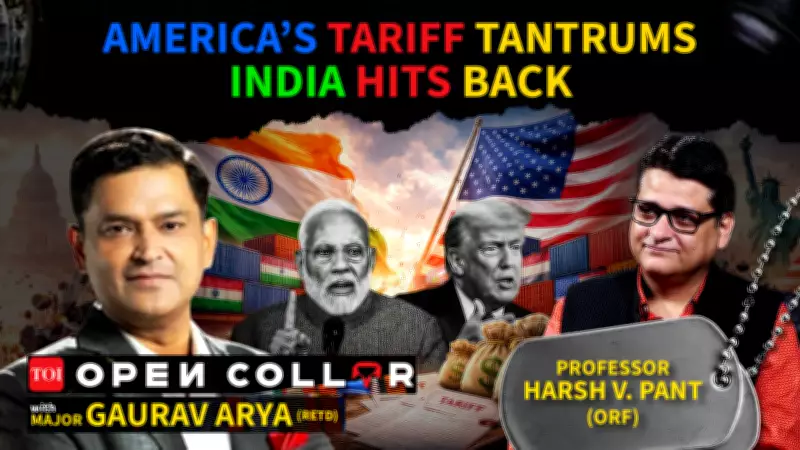
India's Strategic Defiance in the Face of American Tariff Pressures
In a comprehensive discussion on the evolving dynamics between India and the United States, strategic affairs expert Professor Harsh V. Pant provides critical insights into why India has refused to capitulate to tariff demands during Donald Trump's second presidential term. The conversation delves deep into the complex geopolitical landscape that is reshaping international relations.
The Changing Dynamics of India-US Relations
Professor Pant emphasizes that the relationship between India and the United States has entered a new phase characterized by increased tension and strategic recalibration. Under Trump's renewed presidency, Washington has adopted a more aggressive trade posture, implementing tariffs that have directly impacted Indian exports. However, India has demonstrated remarkable resilience and strategic clarity in its response.
The core of the disagreement centers on America's tariff policies, which New Delhi views as economically punitive and strategically shortsighted. India's refusal to bow down stems from a calculated assessment of its growing economic strength and strategic importance in the global order. The country has carefully weighed the costs of compliance against the benefits of maintaining its sovereign economic policies.

Shifting Global Alliances and Strategic Calculations
The discussion reveals how both nations are reassessing their global partnerships in light of these tensions. Professor Pant suggests that Washington may have fundamentally misjudged its leverage over strategic partners like India, failing to recognize New Delhi's enhanced bargaining position in the multipolar world order.
India's strategic response has been multifaceted and sophisticated, involving diplomatic outreach to alternative partners while maintaining essential security cooperation with the United States. This balanced approach reflects India's commitment to strategic autonomy while navigating complex international relationships.
Progress in India-EU Trade Negotiations
A significant development highlighted in the conversation is the substantial progress in trade talks between India and the European Union. These negotiations represent a strategic diversification of India's economic partnerships, reducing dependency on any single market while creating new opportunities for Indian businesses.
The advancement of India-EU trade discussions signals New Delhi's proactive approach to building resilient economic relationships that can withstand pressure from traditional partners. This strategic maneuvering demonstrates India's growing confidence in shaping its economic destiny.
Implications for Global Security Architecture
The tariff tensions between India and the United States have far-reaching implications for several key international security frameworks:
- NATO's strategic calculations in the Indo-Pacific region may require reassessment as India asserts greater independence in its foreign policy decisions.
- The QUAD alliance (comprising the United States, India, Japan, and Australia) faces new challenges as trade disputes complicate security cooperation among member nations.
- The broader Indo-Pacific security landscape is evolving rapidly, with India playing an increasingly pivotal role in maintaining regional stability despite economic disagreements with traditional partners.
Professor Pant concludes that India's stance represents a mature approach to international relations, where economic sovereignty is not sacrificed for short-term diplomatic gains. The country's strategic patience and calculated responses suggest a long-term vision that prioritizes national interests while maintaining essential international partnerships.
This detailed analysis provides valuable context for understanding how middle powers like India are navigating the complex terrain of great power competition, asserting their interests while managing relationships with traditional allies and emerging partners alike.