India's journey towards becoming a global economic powerhouse is intrinsically linked to the fortunes of its often-overlooked northeastern region. This vast area, comprising eight states and sharing borders with multiple nations, holds the key to unlocking new avenues for trade, security, and sustainable growth. The narrative must shift from viewing the Northeast merely as a frontier to recognizing it as the nation's vital gateway to Southeast Asia and beyond.
The Strategic Imperative: More Than Just a Borderland
For decades, the Northeast was perceived primarily through the lens of security challenges and geographical isolation. However, this perspective is undergoing a crucial transformation. The region is now seen as the central pillar of India's Act East Policy, a foreign policy initiative aimed at strengthening economic and strategic ties with ASEAN countries and the wider Indo-Pacific. Its geographical position is not a handicap but a colossal asset.
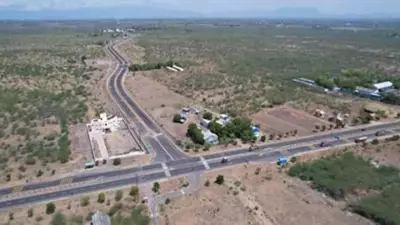
States like Assam, Manipur, Nagaland, and others are no longer distant outposts but potential hubs for international commerce. The development of robust infrastructure—roads, railways, and waterways—connecting this region to Myanmar, Bangladesh, Bhutan, and further to Thailand and Vietnam, is paramount. This connectivity can redirect a significant portion of regional trade through Indian corridors, boosting local economies and generating employment.

Unlocking Economic Potential and Ensuring Social Harmony
The economic promise of the Northeast extends far beyond improved logistics. The region is endowed with abundant natural resources, including hydropower potential, hydrocarbons, and rich biodiversity. Sustainable harnessing of these resources can fuel energy security and promote green industries. Furthermore, the unique cultural tapestry and breathtaking landscapes offer immense potential for tourism, which can be a major job creator.
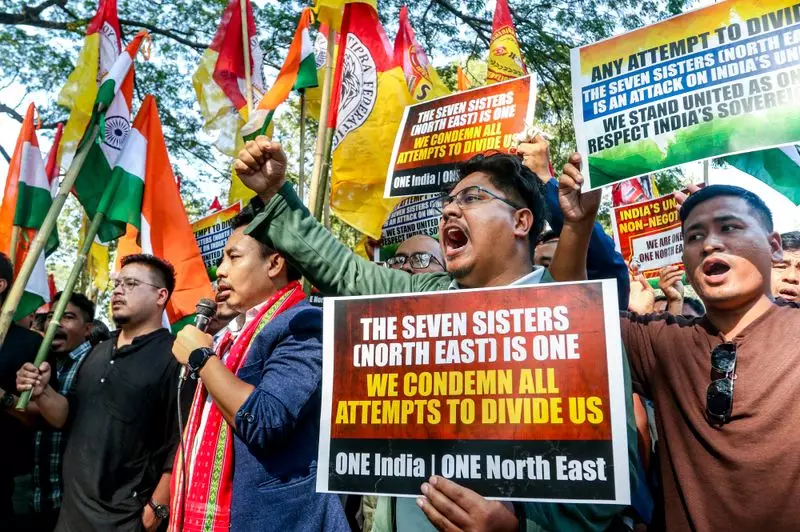
Realizing this potential requires a dual focus. First, accelerated infrastructure development is non-negotiable. Projects like the Trans-Arunachal Highway and the Agartala-Akhaura rail link to Bangladesh are steps in the right direction but need greater momentum. Second, and equally important, is fostering lasting peace and social cohesion. Insurgencies and ethnic tensions have historically impeded progress. Continued dialogue, sensitive governance, and inclusive development that respects the distinct identities of all communities are essential for creating a stable environment where investments can flourish.
The Road Ahead: Integration for National Prosperity
The integration of the Northeast into India's mainstream economic narrative is not a charitable act but a strategic necessity for the entire country. A prosperous, connected, and peaceful Northeast translates into enhanced national security, diversified economic growth, and a stronger Indian footprint in regional affairs. It allows India to project its influence eastwards more effectively.
The focus must be on creating an ecosystem where entrepreneurship thrives, where the youth have access to quality education and opportunities locally, and where the region's products find markets across the country and across borders. This requires concerted efforts from the central government, state administrations, and the private sector. The dividends of such an integrated approach will be manifold, contributing significantly to India's ambition of becoming a $5 trillion economy and asserting its role as a leading voice in the Global South.
In conclusion, the message is clear: India's future is inexorably tied to the future of its Northeast. By empowering this region, India is not just addressing regional disparities but is strategically empowering itself. The time to look to the Northeast with renewed vision and vigor is now.