India's Diplomatic Engagement in Tehran Amid Regional Tensions
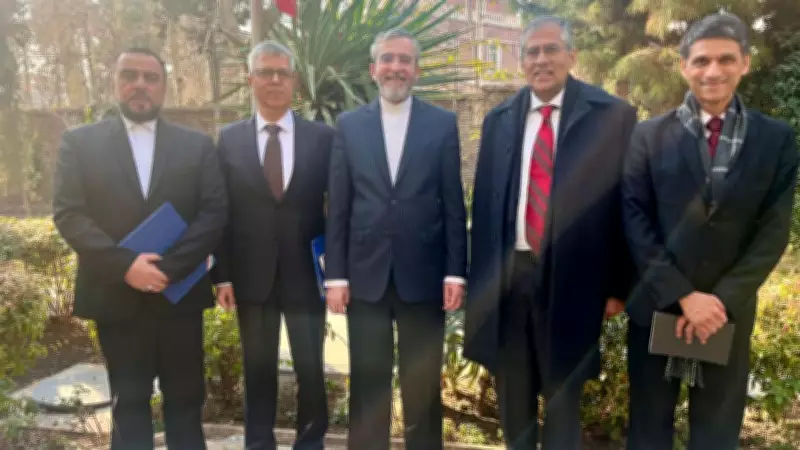
In a significant diplomatic move, India's Deputy National Security Advisor Pavan Kapoor visited Tehran on January 28, 2026, for crucial consultations with Iranian officials. This high-level engagement comes at a particularly volatile moment in the region, marked by escalating tensions between Iran and the United States, as well as ongoing domestic protests within Iran that have drawn international attention.
High-Level Meetings with Iranian Counterparts
During his visit, Deputy NSA Kapoor held substantive discussions with Dr. Ali Bagheri Kani, Iran's Deputy for International Affairs at the Supreme National Security Council (SNSC). The Indian embassy in Tehran confirmed the meetings through an official post on social media platform X, stating that Kapoor also called on Dr. Ali Larijani, Secretary of Iran's Supreme National Security Council.
The timing of this diplomatic mission is particularly noteworthy, as it occurs against the backdrop of multiple geopolitical challenges. The consultations represent India's continued commitment to maintaining open channels of communication with Iran, despite the complex regional dynamics that have emerged in recent weeks.

Escalating US-Iran Tensions and Military Posturing
The visit coincides with heightened tensions between Iran and the United States, with US President Donald Trump making several public statements regarding military deployments in the region. In posts on Truth Social, Trump described a substantial US naval deployment moving "quickly, with great power, enthusiasm, and purpose" toward the region.
Trump urged Tehran to return to negotiations, warning that "time is running out" and that any renewed confrontation would be "far worse" than previous engagements. He referenced "Operation Midnight Hammer," which he described as "a major destruction of Iran" during an earlier standoff, while simultaneously expressing hope that Iran would "quickly 'Come to the Table' and negotiate a fair and equitable deal."
In response, Iran's mission to the United Nations indicated willingness to engage with Washington "based on mutual respect and interests." Meanwhile, media reports confirmed that the USS Abraham Lincoln strike group had been deployed with additional warships, destroyers, and fighter aircraft, further escalating military tensions in the region.
Domestic Unrest and Protest Crackdown in Iran
The diplomatic visit also occurs amid significant domestic turmoil within Iran. Protests that began last month in Tehran's Grand Bazaar over economic difficulties have evolved into the most serious challenge to Iran's leadership in nearly five decades, unleashing long-suppressed grievances among the population.
According to rights groups and international media reports, Iranian security forces have conducted mass arrests and employed overwhelming force to suppress the unrest. The U.S.-based HRANA rights group has compiled disturbing statistics, reporting a death toll of 6,373 people, including 5,993 protesters, 214 security personnel, 113 minors, and 53 bystanders. Arrests have reportedly reached 42,486 individuals.
Iranian authorities have cut internet access in affected areas and blamed "armed terrorists" linked to Israel and the United States for the violence. The protests represent what many analysts consider the gravest existential threat to Iran's regime since the 1979 Islamic Revolution.
India's Strategic Position and Regional Diplomacy
India's decision to send Deputy NSA Kapoor to Tehran at this critical juncture underscores several important aspects of New Delhi's foreign policy approach:

- Maintaining balanced relations with multiple stakeholders in the region despite competing interests
- Preserving diplomatic channels with Iran, which remains an important partner for India in areas including energy security and regional connectivity
- Demonstrating strategic autonomy in foreign policy decision-making amid complex international pressures
- Addressing shared concerns about regional stability and security
The consultations between Indian and Iranian officials likely covered a range of bilateral and regional issues, including the evolving security situation, economic cooperation, and potential pathways to de-escalation in the region. As a major regional power with significant interests in Middle Eastern stability, India's diplomatic engagement carries substantial weight in international forums.
This visit represents a continuation of India's nuanced approach to Middle Eastern diplomacy, balancing relationships with various regional actors while advancing its own strategic interests. The discussions in Tehran provide an important opportunity for direct communication between Indian and Iranian security establishments at a time when indirect channels may be strained by broader geopolitical tensions.
As regional dynamics continue to evolve, India's diplomatic initiatives in Tehran demonstrate New Delhi's commitment to playing a constructive role in promoting dialogue and stability, even amid challenging circumstances that involve multiple international stakeholders with competing interests.