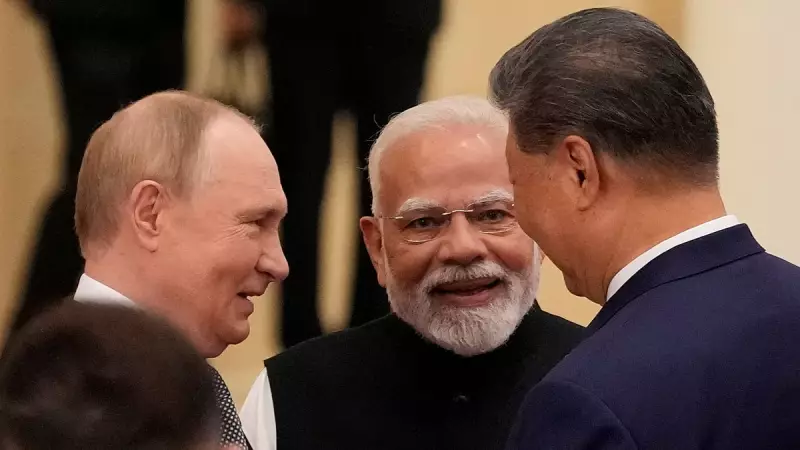
The year 2025 is poised to be a defining period for India's foreign policy, presenting a series of complex diplomatic examinations on the world stage. As the nation prepares to navigate a turbulent global landscape, its diplomatic machinery will be tested by high-stakes leadership roles, strategic partnerships, and persistent regional tensions. The challenges are multifaceted, requiring a blend of strategic foresight, deft negotiation, and a clear articulation of national interests.
The Pinnacle of Multilateral Engagement: G20 and UNSC
At the forefront of India's diplomatic agenda for 2025 is its presidency of the G20, a premier forum for international economic cooperation. This role offers a powerful platform to shape global discourse on critical issues like climate finance, digital public infrastructure, and sustainable development. However, it also comes with the immense responsibility of forging consensus among a deeply divided group of nations, especially against the backdrop of the ongoing Russia-Ukraine conflict and escalating tensions between major powers.
Simultaneously, India is expected to campaign vigorously for a non-permanent seat on the United Nations Security Council (UNSC) for the 2028-29 term. The election process itself in 2025 will be a critical diplomatic exercise, demanding extensive outreach and vote-garnering efforts within the Asia-Pacific group and beyond. Securing this seat is crucial for India's long-standing ambition for a reformed multilateral order and a greater say in global peace and security matters.

Navigating Bilateral Minefields: China, Pakistan, and Strategic Partnerships
On the bilateral front, the unresolved border standoff with China along the Line of Actual Control (LAC) remains the most significant and immediate challenge. The situation demands constant, high-level diplomatic and military dialogue to prevent escalation and work towards a lasting solution. The complex relationship, marked by both competition and limited cooperation, will require careful calibration throughout 2025.
Relations with Pakistan continue to be strained, with cross-border terrorism and the status of Jammu and Kashmir acting as persistent irritants. Any meaningful dialogue seems contingent on a fundamental change in Pakistan's approach towards terrorism originating from its soil. Meanwhile, India will continue to deepen its strategic partnerships with key nations like the United States, Japan, and Australia through forums like the Quad, while also managing its historically strong ties with Russia—a balancing act made more delicate by the Ukraine war.
Regional Dynamics and Global Uncertainties
In its immediate neighborhood, India's 'Neighbourhood First' policy will be tested by political and economic instability in several South Asian nations. Providing leadership and support while safeguarding its own interests will be a delicate task. The situation in Afghanistan under the Taliban regime, with its implications for regional security and terrorism, continues to demand close attention and pragmatic engagement.
Furthermore, global headwinds such as the slowdown in the world economy, disruptions in supply chains, and the climate crisis will have direct consequences for India's growth and security. Its diplomacy will need to actively engage in shaping global responses to these transnational challenges, advocating for the interests of the Global South.
The year 2025, therefore, represents a confluence of high-profile opportunities and formidable challenges for Indian diplomacy. Success will hinge on its ability to leverage its growing economic clout, demonstrate consensus-building leadership at the G20, advance its candidature for the UNSC, and deftly manage fraught bilateral relationships. The outcomes will significantly influence India's global standing and its capacity to shape an international order aligned with its principles of strategic autonomy and multipolarity.