India-Flagged Tanker's Final Transmission: 'You're Firing... After Clearance!' Before Hormuz Retreat
New Delhi: Mixed signals and unclear directives from Iran have plunged the Strait of Hormuz into deepening uncertainty, forcing several Indian crude tankers to make abrupt turnbacks amid serious safety concerns. The confusion escalates as US–Iran negotiations remain inconclusive, leaving shipowners increasingly wary about navigating this critical oil transit route.
Final Words Before Retreat
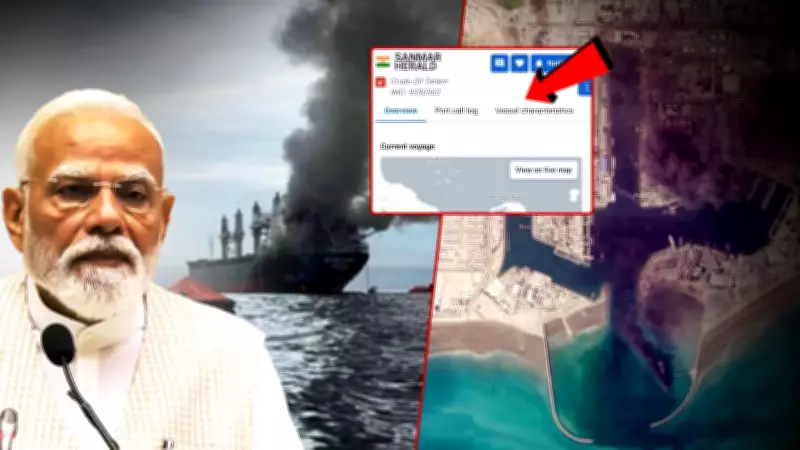
The tense situation was highlighted by the final transmission from an India-flagged vessel, which reportedly declared: "You're firing... after clearance!" before reversing course. This dramatic communication underscores the volatile conditions that have developed in the strategic waterway, where approximately one-fifth of the world's oil passes through daily.
Growing Regional Volatility
Multiple vessels have begun reassessing their routes due to ambiguous directives from Tehran, while maritime advisories have further amplified the caution among shipping companies. Alongside Indian tankers, several Greek ships have also reversed their course, emphasizing the growing volatility affecting international maritime traffic in the region.

The situation has raised fresh alarms about global energy supply chains, as the Strait of Hormuz remains a vital chokepoint for international oil and gas shipments. Any prolonged disruption could have significant implications for energy markets worldwide.
Broader Implications
The uncertainty comes at a delicate time for global energy security, with shipowners now facing difficult decisions about whether to risk transit through the strait or seek alternative, often longer and more expensive, routes. The mixed signals from Iranian authorities have created a particularly challenging environment for vessels carrying crude oil from the Middle East to destinations across Asia and beyond.
Maritime security experts note that such incidents highlight the fragile nature of global shipping lanes and the potential for regional tensions to quickly escalate into broader economic consequences. The Strait of Hormuz has long been recognized as one of the world's most strategically important waterways, and recent developments have only reinforced this status.
Looking Ahead
As diplomatic efforts continue between the United States and Iran, shipping companies remain in a holding pattern, closely monitoring developments that could clarify the security situation. The coming days will be crucial in determining whether normal transit patterns can resume or if vessels will need to implement more permanent route changes.
The incident serves as a stark reminder of how geopolitical tensions can directly impact global commerce and energy security, with implications that extend far beyond the immediate region.