Indian Oil Tankers Targeted by Iranian Forces in Critical Strait of Hormuz
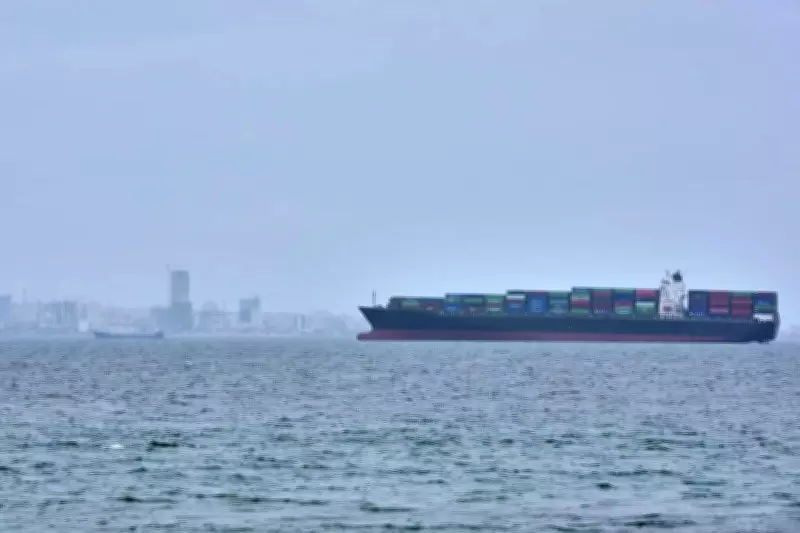
A distressing distress call from an Indian oil tanker has emerged after two India-flagged vessels came under gunfire in the strategically vital Strait of Hormuz on Saturday. This alarming incident forced numerous ships to abort their transit and reverse course, creating significant disruptions in one of the world's most crucial maritime corridors.
Audio Reveals Captain's Desperate Plea Amid Gunfire
The audio, shared by an ABC News reporter, captures the harrowing moment when vessels sought to retreat amid conflicting passage instructions and active gunfire. In the widely circulated recording, the captain of the India-flagged tanker Sanmar Herald can be heard urgently stating, "This is motor tanker Sanmar Herald… You gave me clearance to go. My name is second on your list. You are firing now. Let me turn back!" This plea underscores the chaos and danger faced by commercial shipping in the region.
Details of the Attack and Immediate Aftermath
According to maritime security inputs and tracking data, two India-flagged ships—the oil tanker Sanmar Herald and the bulk carrier Jag Arnav—were targeted by Iranian Revolutionary Guard Corps (IRGC) gunboats while attempting to cross the strait. At least one vessel sustained minor damage, including a shattered window pane, though no injuries have been reported. The incident severely impacted a convoy of 14 India-bound vessels carrying essential commodities such as crude oil, LPG, and fertilizers.

- Thirteen ships were forced to halt or reverse course at various points in the Persian Gulf.
- Several vessels, including Sanmar Herald, Desh Vaibhav, Desh Vibhor, and Jag Arnav, turned back near the chokepoint.
- Some ships are now drifting near Larak Island, awaiting clearance to proceed.
India's Diplomatic Response and Regional Tensions
In response to the incident, India summoned Iranian envoy Mohammad Fathali. Foreign Secretary Vikram Misri conveyed "deep concern" over the attack and emphasized the urgent need to ensure the safety of merchant shipping. New Delhi has urged Tehran to resume facilitating safe passage for India-bound vessels, with Iran stating it would convey these concerns to its authorities. Amid the disruption, one India-flagged tanker, Desh Garima, managed to cross the strait and is now sailing toward India, highlighting the mixed signals on navigation.
Broader Impact on Global Shipping and Oil Flows
The Strait of Hormuz handles approximately one-fifth of global oil and gas flows, making this incident a significant threat to international trade. Iran has tightened control over the strait, citing a US naval blockade and alleged violations of ceasefire conditions. Security agencies reported that multiple commercial vessels, including Greek tankers, also turned back after encountering gunfire and radio warnings. This latest disruption has added to regional uncertainty, with vessels idling, rerouting, or awaiting clearance across the area, potentially affecting global energy markets and supply chains.