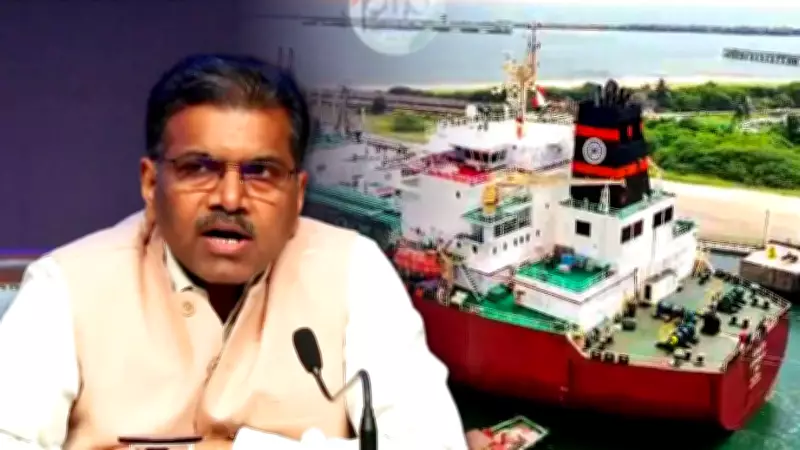
Indian Naval Vessels and Fuel Tankers Navigate Tense Gulf Waters Safely
In a significant development for India's energy security, multiple Indian vessels have successfully navigated the strategically critical Strait of Hormuz amid escalating geopolitical tensions in the Gulf region. The Shipping Ministry has confirmed that all ships and their crews are operating safely, with the government maintaining constant communication to monitor the situation.
Shivalik LPG Carrier Approaches Mumbai with Priority Berthing
The LPG carrier Shivalik has safely crossed the volatile Strait of Hormuz and is now approaching the port of Mumbai. Authorities have arranged priority berthing facilities at Mumbai port to ensure the swift and efficient unloading of its crucial cargo. This expedited process is part of India's proactive measures to secure its energy supply chain during this period of regional instability.
Nanda Devi and Jag Laadki Tankers Transport Vital Fuel Supplies
Meanwhile, two other important vessels are continuing their journeys with valuable fuel shipments:

- The tanker Nanda Devi is scheduled to arrive shortly at Kandla port, carrying essential petroleum products.
- The vessel Jag Laadki is en route to Mundra port transporting approximately 81,000 tonnes of Murban crude oil sourced from the United Arab Emirates.
These movements represent a critical component of India's energy import strategy, which relies heavily on Middle Eastern suppliers for a substantial portion of its hydrocarbon needs.
Global Energy Markets on Edge Amid Geopolitical Uncertainty
The safe passage of these Indian vessels comes at a time when global energy markets are experiencing heightened volatility due to:
- Ongoing geopolitical tensions in the Persian Gulf region
- Concerns about potential disruptions to vital shipping lanes
- Increased insurance and transportation costs for vessels operating in high-risk areas
Indian authorities have emphasized that the safety of all Indian seafarers remains the highest priority, with comprehensive monitoring systems in place to track vessel movements and respond to any emerging threats.
The government's coordinated approach involves multiple agencies working together to ensure uninterrupted energy flows while maintaining robust communication channels with shipping companies and international partners. This strategic vigilance reflects India's commitment to protecting its economic interests and energy security for its population of 1.4 billion people.