

India's Strong Rebuttal to Pakistan at United Nations Over Terrorism and Water Treaty
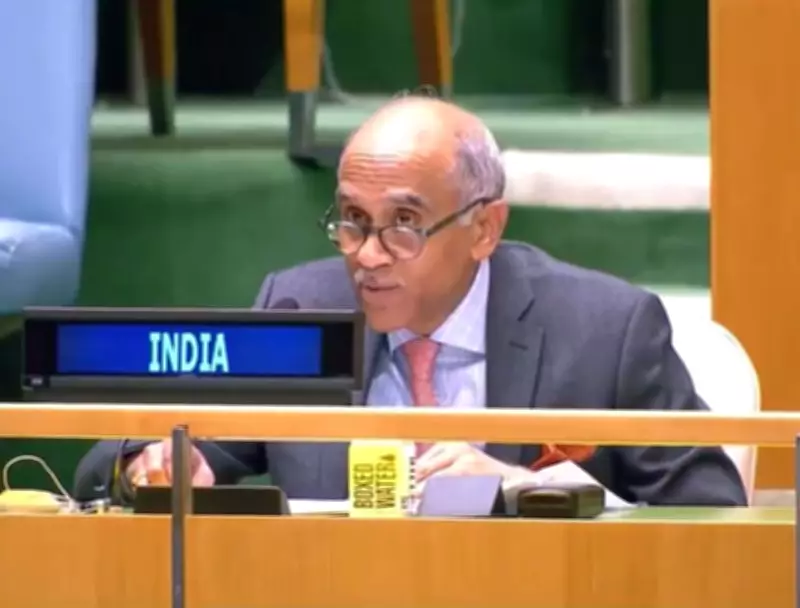
In a forceful address at the United Nations, India launched a sharp counterattack against Pakistan, defending its decision to place the Indus Waters Treaty in abeyance. The Indian Permanent Representative to the UN, Harish Parvathaneni, accused Islamabad of engaging in three wars and orchestrating thousands of terror attacks against India, asserting that decades of cross-border terrorism have exhausted New Delhi's patience.
Justification for Suspending the Indus Waters Treaty
Speaking during a UN event commemorating World Water Day, Parvathaneni emphasized that the 1960 treaty, signed in a spirit of goodwill and friendship, could no longer be sustained amid ongoing hostility from Pakistan. He stated, "Pakistan violated this spirit by inflicting three wars and thousands of terror attacks on India. Tens of thousands of innocent Indians became victims to Pakistan-sponsored terror attacks." The envoy clarified that India will keep the treaty in abeyance until Pakistan credibly and irrevocably ends its support for all forms of terrorism.
Pakistan Labeled as Global Epicenter of Terror
Parvathaneni did not mince words, describing Pakistan as the "global epicentre of terror." He argued that responsibility in water-sharing arrangements is a two-way street, inextricably linked to the broader conduct between nations. The Indian representative criticized Pakistan for misusing the international platform to raise bilateral issues, prompting a pointed rebuttal from India.

Technological and Environmental Changes Cited
The envoy highlighted that the Indus Waters Treaty, signed over six decades ago, no longer reflects present-day realities. He cited several factors necessitating modifications:
- Technological advancements in dam infrastructure
- Growing clean energy needs
- Climate change impacts
- Demographic shifts
Parvathaneni noted that all Indian efforts to discuss treaty modifications with Pakistan were rebuffed, further constraining the agreement's viability.
India's Domestic Water Governance Achievements
Amid the diplomatic exchange, India used the UN platform to showcase its domestic successes in water governance. Parvathaneni highlighted the Jal Jeevan Mission, one of the world's largest rural drinking water programmes, which emphasizes community participation and women-led management. This initiative underscores India's commitment to sustainable water resource management.
Call for Pakistan to Uphold Human Life
Reiterating India's position as a responsible upper riparian state, Parvathaneni asserted that such responsibility must be matched by Pakistan ending the use of terrorism as an instrument of state policy. He concluded with a powerful statement: "Pakistan must uphold the sanctity of human life before talking of upholding the sanctity of treaties."
The sharp exchange at the UN underscores the deep-seated tensions between India and Pakistan, with water-sharing issues now intertwined with longstanding security concerns. India's stance reflects a firm policy shift, linking bilateral cooperation to Pakistan's actions on terrorism.






