

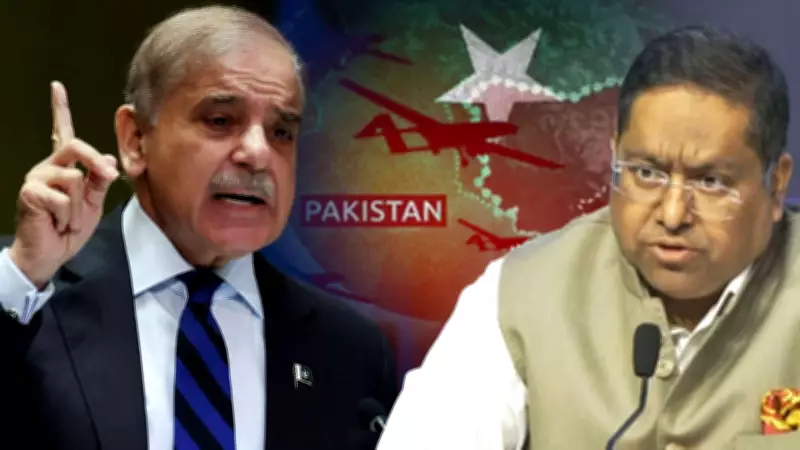
India Rejects Pakistan's Remarks on Asiya Andrabi Life Sentence, Cites 'No Locus Standi'
India has issued a strong rebuttal to Pakistan's criticism regarding the life sentence handed to Kashmiri separatist leader Asiya Andrabi. The Ministry of External Affairs (MEA) spokesperson, Randhir Jaiswal, stated unequivocally that Pakistan possesses no locus standi to comment on India's internal judicial matters.
MEA's Firm Stance on Judicial Sovereignty
In a pointed response, Jaiswal emphasized that Pakistan's remarks are unwarranted and inappropriate. He accused Pakistan of supporting terrorism while simultaneously ignoring its own extensive record of human rights violations. This diplomatic exchange underscores the ongoing tensions between the two neighboring nations over issues of sovereignty and security.
Details of Asiya Andrabi's Sentencing
Asiya Andrabi, the founder of the banned organization Dukhtaran-e-Millat, was sentenced to life imprisonment under the Unlawful Activities (Prevention) Act. The charges against her include:

- Waging war against India
- Sedition
- Conspiracy to commit terrorist acts
Her associates, Sofi Fehmeeda and Nahida Nasreen, received prison terms of 30 years each, highlighting the severity of their involvement in activities deemed threatening to national security.
National Investigation Agency's Justification
The National Investigation Agency (NIA) defended the strict punishments, citing Andrabi's significant role in inciting violence and rebellion in the Kashmir region. According to the NIA, her organization has alleged links to Pakistan-based terrorist groups that actively promote separatism and destabilize the area.
This case is part of broader efforts by Indian authorities to curb separatist movements and maintain law and order in Jammu and Kashmir. The sentencing reflects India's firm stance against elements perceived as undermining its territorial integrity and national security.
The rejection of Pakistan's comments reinforces India's position that external interference in its judicial processes is unacceptable, particularly from a country accused of harboring and supporting terrorist activities. This incident adds to the complex diplomatic dynamics between India and Pakistan, with implications for regional stability and bilateral relations.






