India's Stand at WTO: A Courageous Rejection of China-Led Investment Pact
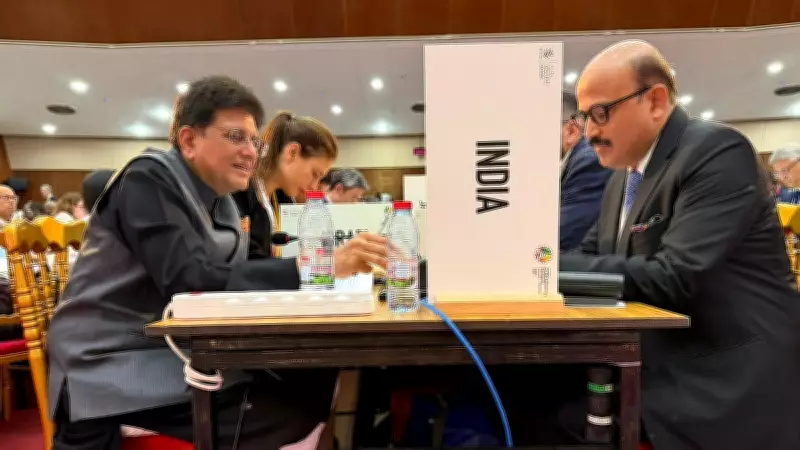
In a significant diplomatic move, India has demonstrated firm resolve on the global stage by rejecting a China-led investment facilitation agreement at the World Trade Organization (WTO). Commerce and Industry Minister Piyush Goyal emphasized that this decision showcases India's courage to stand alone when necessary to protect its national interests and development priorities.
Piyush Goyal's Statement on India's WTO Position
Minister Piyush Goyal, addressing the media, highlighted that India's rejection of the proposed pact was not taken lightly. He explained that the agreement, spearheaded by China, did not align with India's strategic economic goals and could have potentially undermined the country's sovereignty in key investment matters. Goyal asserted that India's stance reflects a principled approach to international trade, where the nation prioritizes its long-term development over short-term diplomatic pressures.
The minister further elaborated that this move underscores India's commitment to a fair and equitable global trading system. By standing firm, India aims to ensure that any international agreements do not compromise its ability to regulate investments in sectors critical to national security and economic growth. Goyal's remarks come amid ongoing discussions at the WTO, where India has often advocated for the interests of developing nations.

Implications of India's Rejection for Global Trade Dynamics
India's decision to reject the China-led investment facilitation pact has broader implications for global trade dynamics. This move signals India's growing assertiveness in shaping international economic policies and its willingness to challenge initiatives that may not serve its developmental agenda. The rejection could influence other developing countries to reevaluate their positions on similar agreements, potentially leading to a more balanced approach in WTO negotiations.
Analysts note that this stance may also impact India's bilateral relations with China and other proponents of the pact. However, Goyal emphasized that India's actions are driven by a clear-eyed assessment of national interests rather than geopolitical posturing. The minister pointed out that India remains open to constructive dialogue and collaboration on trade issues that benefit all parties involved.
Key Reasons Behind India's Decision
Several factors contributed to India's rejection of the investment facilitation agreement:
- National Sovereignty Concerns: The pact was perceived as potentially limiting India's ability to regulate foreign investments in sensitive sectors.
- Development Priorities: India sought to ensure that any agreement supports its goals for economic growth and poverty reduction.
- WTO Framework Alignment: India argued that the pact did not fully adhere to the principles of the WTO, which emphasize consensus-based decision-making.
- Strategic Autonomy: The move reinforces India's commitment to maintaining strategic autonomy in its economic policies.
Piyush Goyal concluded by stating that India's courage to stand alone in this instance reflects its maturity as a global player. He reiterated that the country will continue to engage proactively in WTO discussions while safeguarding its core interests. This decision marks a pivotal moment in India's trade diplomacy, highlighting its role as a key voice for developing nations in international forums.