

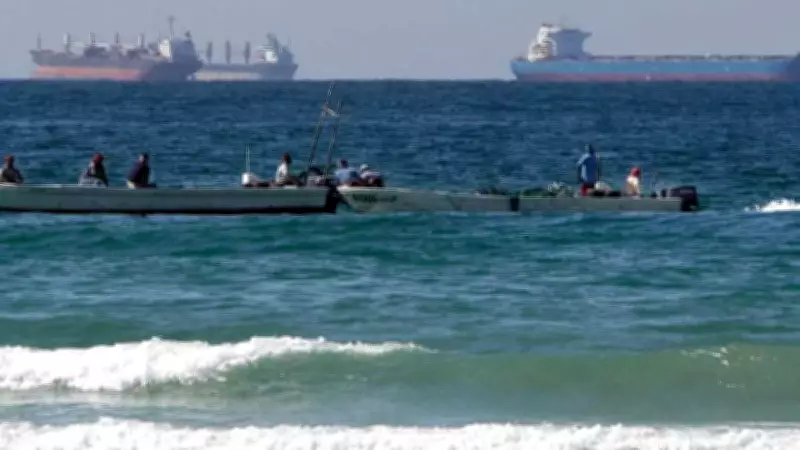
India Reaffirms Right to Navigate Strait of Hormuz as LPG Tankers Operate in Region
The Indian government on Tuesday provided a crucial update on maritime operations in the volatile Strait of Hormuz, confirming that five LPG (liquefied petroleum gas) tankers carrying nearly 2.3 lakh tonnes of cooking gas are currently positioned west of the strategic waterway. Additionally, officials announced that another tanker is scheduled to be loaded in the coming days, underscoring India's continued energy supply chain activities despite regional instability.
Key Ship Movements and Port Arrivals
According to the shipping ministry, two specific vessels—the Pine Gas and Jag Vasant—are expected to reach Indian ports this week. The Pine Gas is set to dock at New Mangalore, while the Jag Vasant will arrive at Kandla. These arrivals are part of a broader effort to maintain India's LPG imports, which are vital for household cooking fuel across the nation.
The ministry's statement came against a backdrop of heightened tensions in the Middle East, including ongoing conflicts involving Israel, Iran, and the United States. Recent developments, such as a drone attack disrupting Amazon Web Services in Bahrain and reports of Saudi Arabia and the United Arab Emirates considering involvement in the Iran war, have raised concerns about maritime security. However, Indian authorities emphasized that these factors do not impede legal transit rights.

Clarification on Navigation Rights and International Law
In response to inquiries about whether vessels require clearance from Iranian authorities to cross the Strait of Hormuz, Rajesh Kumar Sinha, Special Secretary in the Ministry of Shipping, provided a definitive clarification. "It is an international strait. Every country has a right of freedom of navigation through that strait. No permission is needed to cross it. Earlier also, no permission was needed. Now also, it's not needed," Sinha stated.
He further elaborated that international regulations explicitly prohibit any levies on ships transiting the strait, reinforcing the principle of unimpeded passage. However, Sinha acknowledged the current volatile situation, noting that movements must be assessed for safety and appropriate timing. This cautious approach reflects India's commitment to ensuring the security of its maritime assets while upholding legal rights.
Broader Context and Regional Implications
The Strait of Hormuz is a critical chokepoint for global oil and gas shipments, with approximately one-fifth of the world's petroleum products passing through it. India's assertion of navigation rights comes amid:
- Escalating conflicts in the Middle East, including the Israel-Iran war and potential US-Iran talks in Islamabad.
- Reports of Gulf allies like Saudi Arabia granting US base access and the UAE shutting Iranian assets.
- Fluctuations in oil prices due to the sensitive and fluid geopolitical environment.
According to the shipping ministry, a total of 20 Indian-flagged ships remain in the area west of Hormuz, highlighting the scale of India's maritime presence. The government's stance not only protects its economic interests but also aligns with broader international norms supporting freedom of navigation in key waterways.
This development underscores India's proactive measures to safeguard its energy supplies and maritime operations, even as regional tensions threaten to disrupt global trade routes. By firmly stating its rights under international law, India aims to ensure continuity in LPG imports essential for millions of households, while navigating the complex geopolitical landscape of the Middle East.






