India Engages in UK Talks on Strait of Hormuz as US-Iran Conflict Intensifies
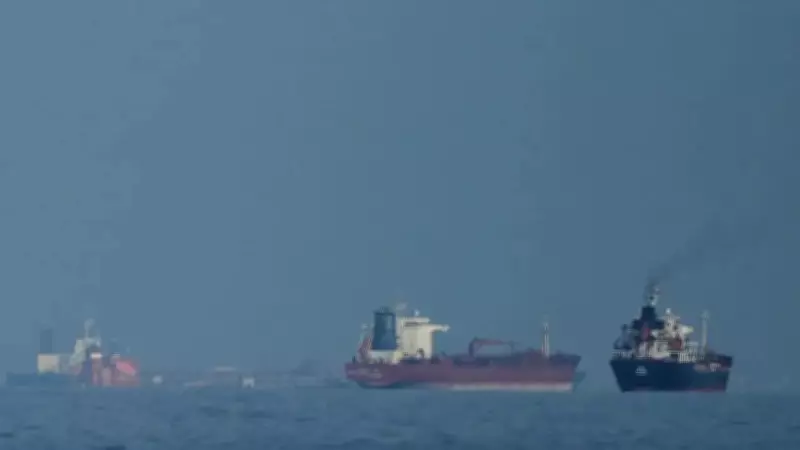
The ongoing US-Iran war has entered a highly volatile phase, triggering widespread regional instability and global economic concerns. In a significant diplomatic move, India has been invited by the United Kingdom to participate in crucial talks focused on securing the strategically vital Strait of Hormuz. The Ministry of External Affairs (MEA) confirmed that Foreign Secretary is attending the meeting, emphasizing India's proactive efforts to ensure unimpeded and safe transit for its vessels carrying essential products like LPG and LNG.
Escalating Military Confrontations Across the Middle East
Tensions have surged dramatically with multiple flashpoints emerging. In Iraq, the US Embassy in Baghdad issued a high-alert warning, stating that Iran-backed militia groups could launch attacks in central Baghdad within the next 24 to 48 hours. The advisory urgently called for all American citizens to leave Iraq immediately, highlighting fears of imminent escalation beyond direct battlefield zones.
Simultaneously, Israel faced an intense barrage of Iranian missile attacks. According to Israeli military statements, at least four waves of missiles were launched within a span of six hours, targeting multiple regions. Air defence systems were activated repeatedly, intercepting several threats, though some impacts were reported in central Israel, resulting in light injuries for a handful of people.

The situation was further aggravated by Hezbollah, the Iran-backed Lebanese group, which claimed responsibility for launching rockets and drones into northern Israel. These attacks triggered widespread air raid sirens and forced civilians into shelters, raising fears of a broader regional war involving Lebanon.
Gulf Region and Economic Repercussions
The Gulf region witnessed spillover effects as authorities in Abu Dhabi confirmed that a missile was intercepted near the Khalifa Economic Zones Abu Dhabi (KEZAD), causing minor damage but no casualties. This marks a worrying expansion of the conflict footprint into key economic hubs. Additionally, the United Arab Emirates' Ministry of Defence reported intercepting 19 ballistic missiles and 26 drones, underscoring the heightened threat level.
Economic repercussions were immediate and severe. Oil prices jumped more than 4%, and Asian markets declined amid fears of disruption to global energy supplies, particularly through the Strait of Hormuz. The strategic waterway is critical for international oil shipments, and any blockage could have devastating effects on global economies.
Diplomatic and Military Developments
On the diplomatic front, US President Donald Trump adopted an aggressive stance, announcing that American forces would intensify strikes on Iran over the next two to three weeks. He claimed that US operations had already severely weakened Iran's military infrastructure and that victory was near. However, his remarks also reflected domestic pressure, as he acknowledged that American public patience for the war may be limited.
In response, Iran's military issued a strong warning, vowing continued retaliation until the US faces "permanent humiliation, regret, and surrender." Iran's army chief warned that any ground invasion would prove catastrophic for invading forces, emphasizing Tehran's readiness to respond to any escalation.
India's Proactive Measures and Evacuation Efforts
Amid the escalating conflict, India has taken decisive steps to protect its nationals and interests. The MEA spokesperson, Randhir Jaiswal, stated that India is in touch with Iran and other countries to ensure safe transit for Indian ships. He revealed that through diplomatic efforts over the last several days, six Indian ships have safely crossed the Strait of Hormuz.
Furthermore, India has evacuated around 1,200 nationals from Iran via Armenia and Azerbaijan, with 845 being students. The MEA is closely coordinating with Indian missions and local authorities to facilitate their safe return. Defence Minister Rajnath Singh reassured the public that there is no shortage of fuel or gas in India, with the Navy actively escorting Indian oil tankers through the Strait of Hormuz to ensure energy security.

International Diplomatic Initiatives
Several countries have stepped forward to mediate and de-escalate the conflict. Pakistan expressed readiness to host and facilitate meaningful talks between the US and Iran, with its foreign office highlighting a five-point initiative proposed jointly with China for restoring peace and stability in West Asia. China itself called for an "immediate" ceasefire, urging parties to cease military operations.
France's President Emmanuel Macron criticized Trump for undermining NATO and deemed a military operation to liberate the Strait of Hormuz as "unrealistic." Meanwhile, Iran has pledged to allow safe passage for Philippine oil shipments through the strait, indicating selective diplomatic engagements.
Conclusion: A Widening Conflict with Global Implications
As missile exchanges, proxy attacks, and geopolitical rhetoric intensify, the US-Iran conflict shows signs of widening further, with regional stability and global markets hanging in the balance. India's involvement in UK talks on the Strait of Hormuz underscores its strategic interest in maintaining secure shipping lanes. With evacuations underway and diplomatic channels active, the international community watches closely, hoping for a de-escalation to prevent a full-scale regional war.